How to Identify Milk Thistle (Silybum marianum)
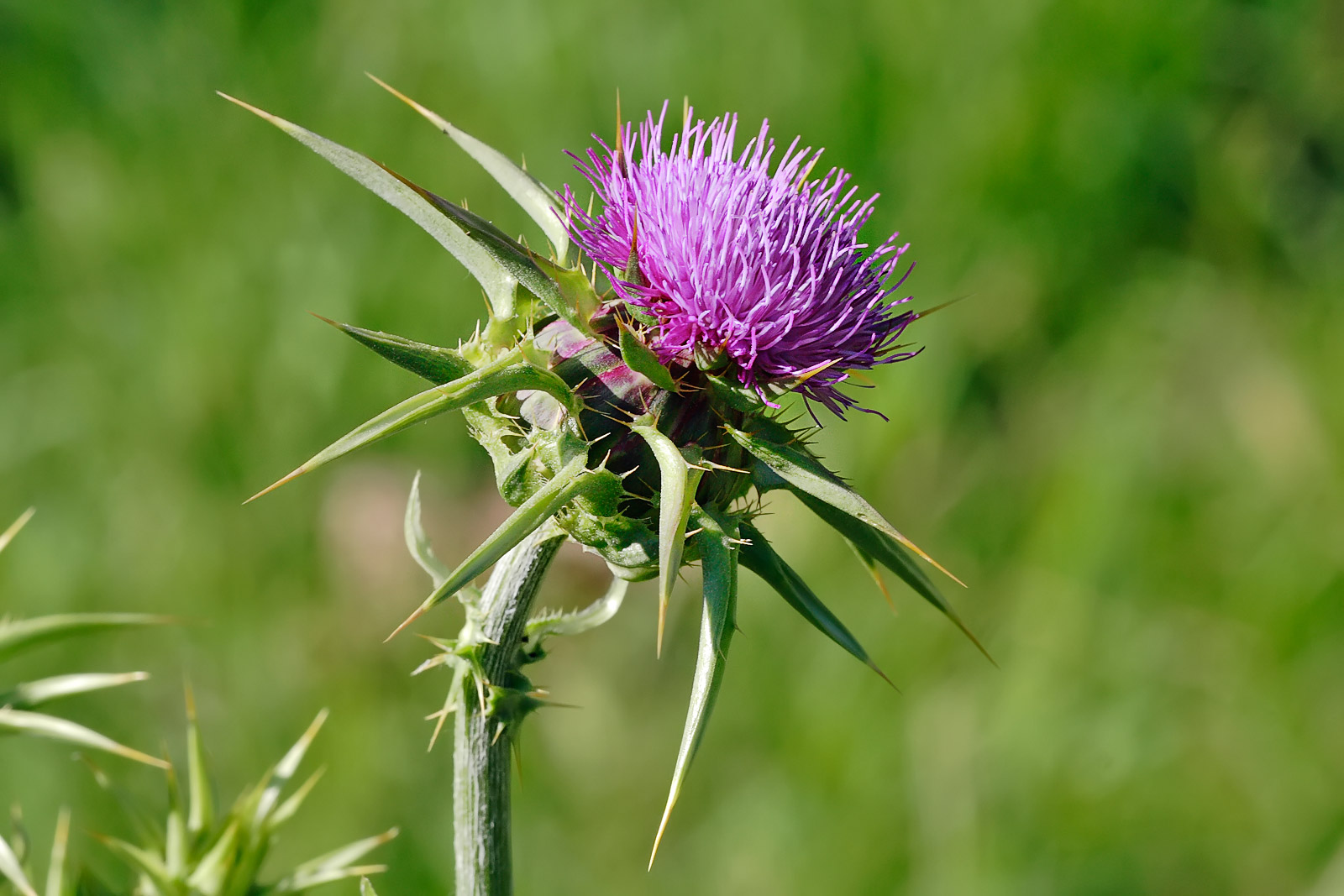
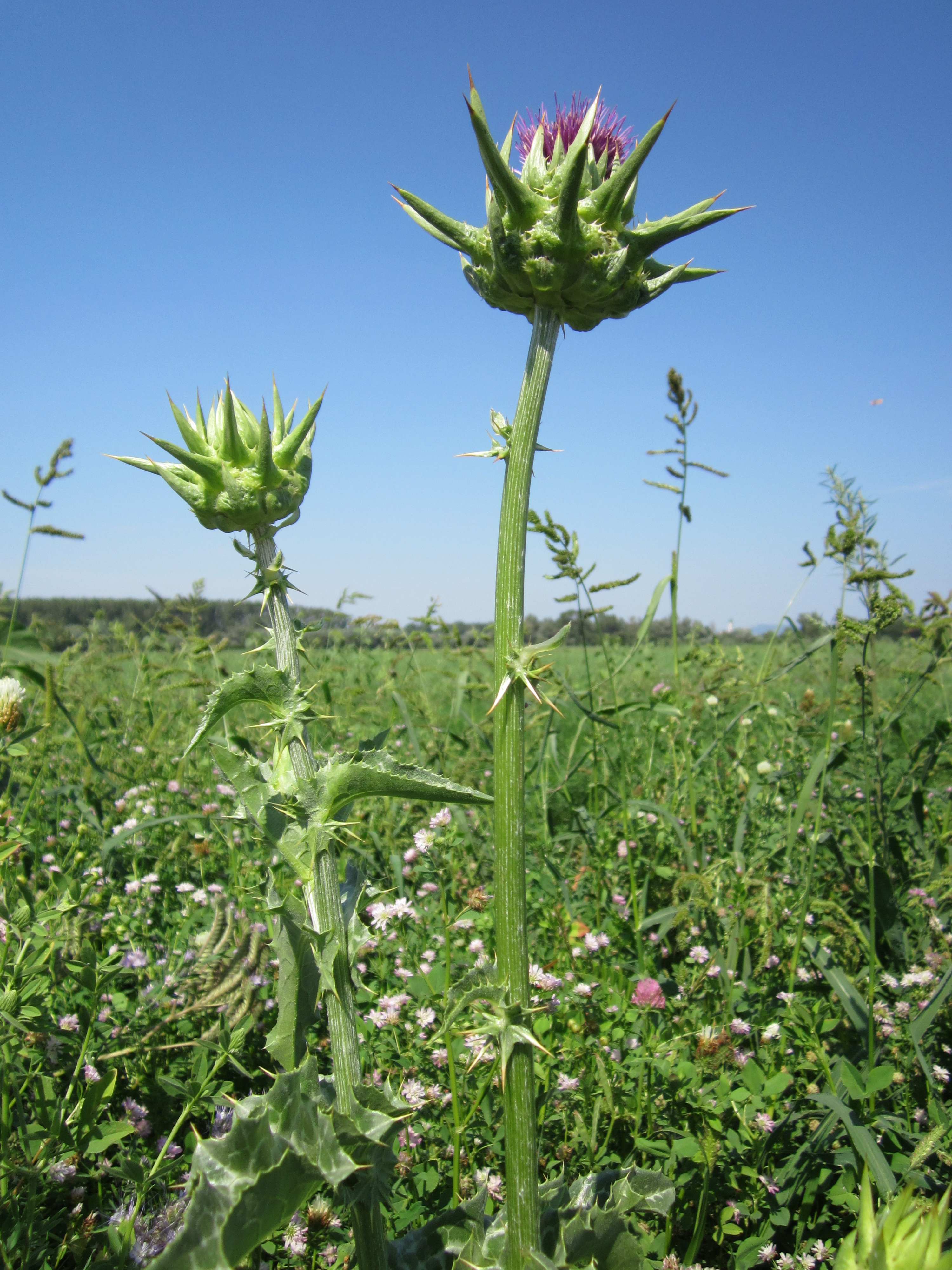
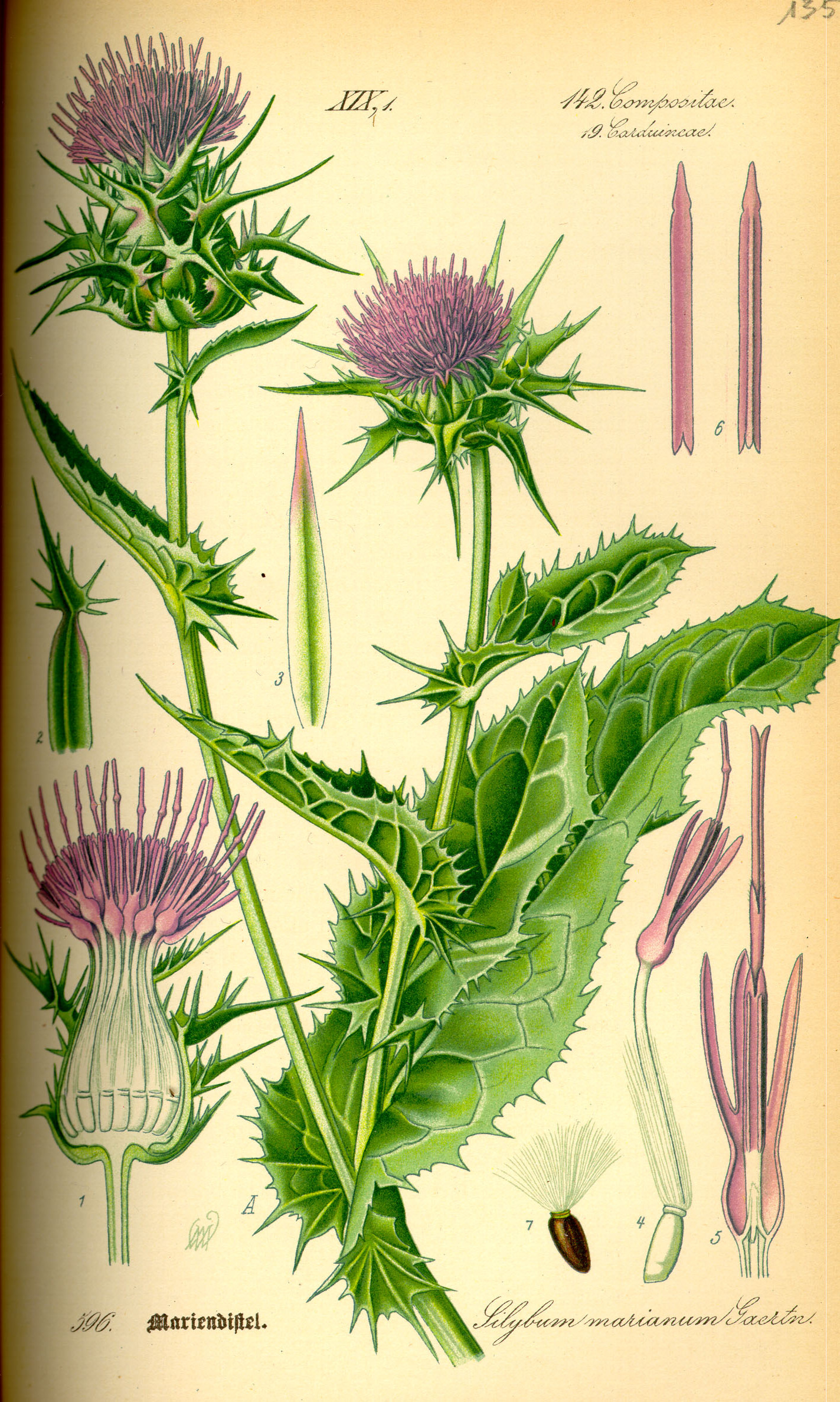
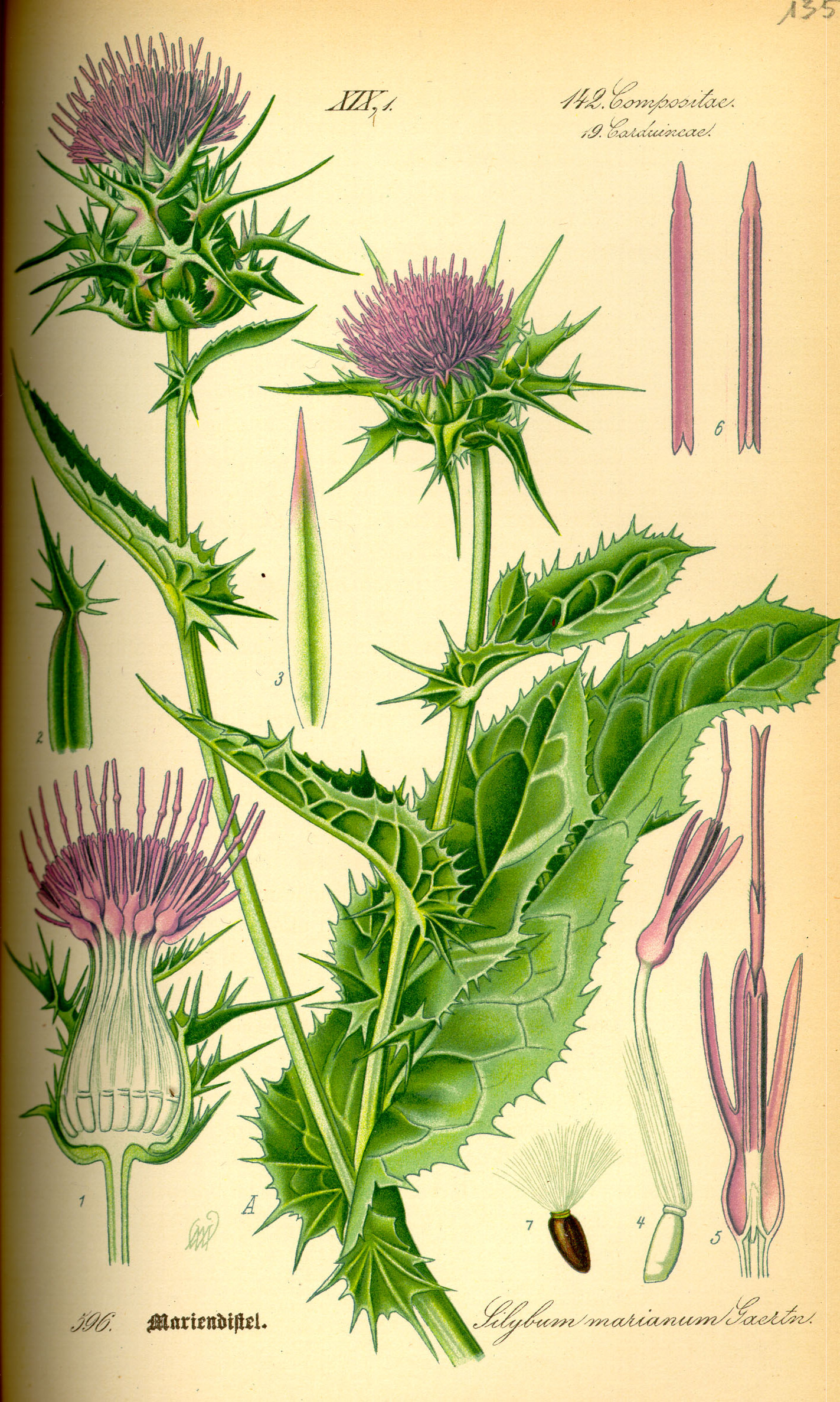
Milk thistle (Silybum marianum) is an impressive biennial plant that grows from a basal rosette and reaches a height between 70 and 150 cm. It can be identified by the following botanical characteristics:
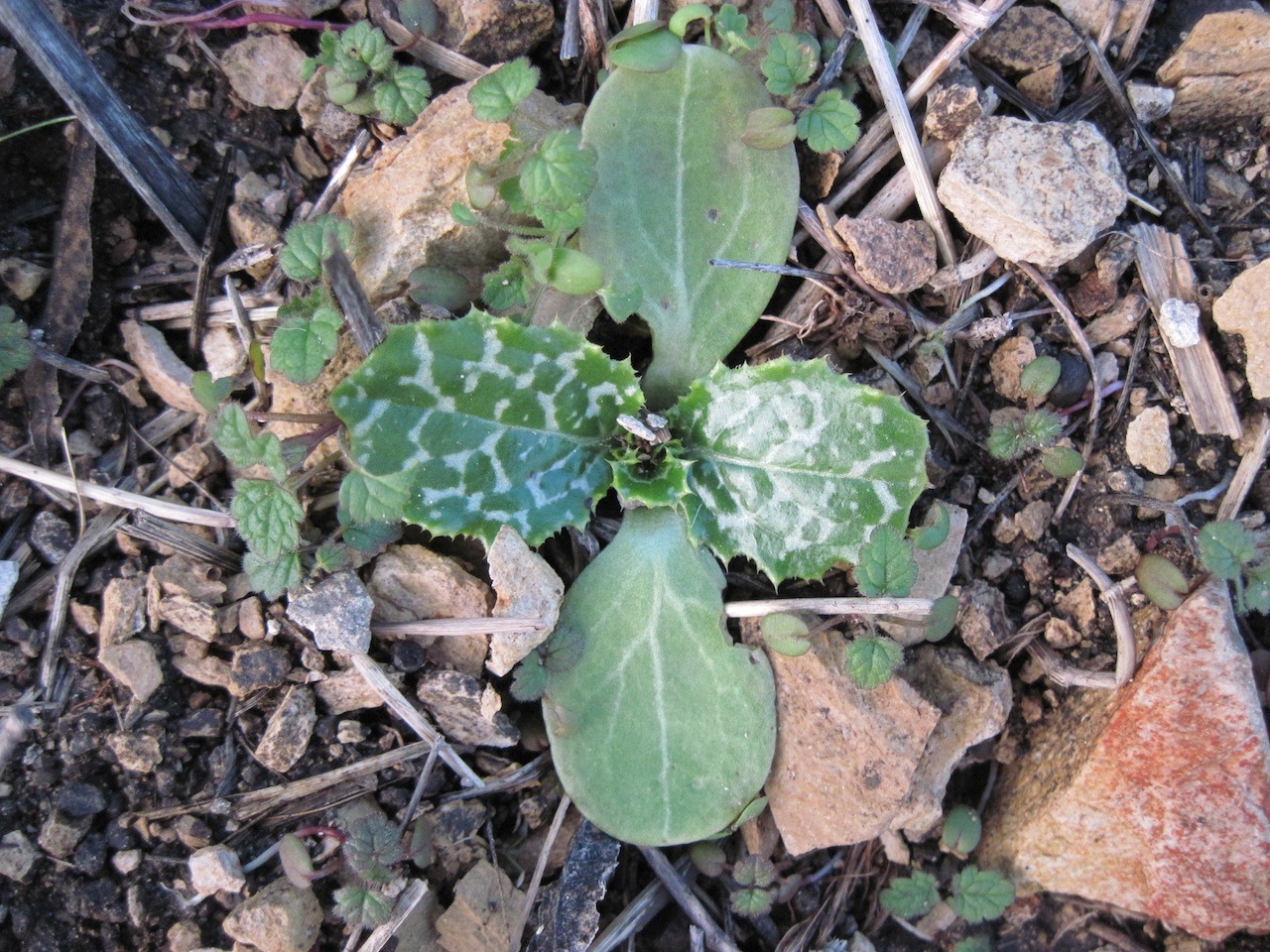
Leaves and stem: Its erect, branched stem carries large, elongated leaves. These have a very distinct appearance due to their characteristic milky-white spots along the veins and distinct yellow spines on their wavy edges. Because of its prickly nature, the entire plant is practically covered in spines and impossible to handle without protective gloves.
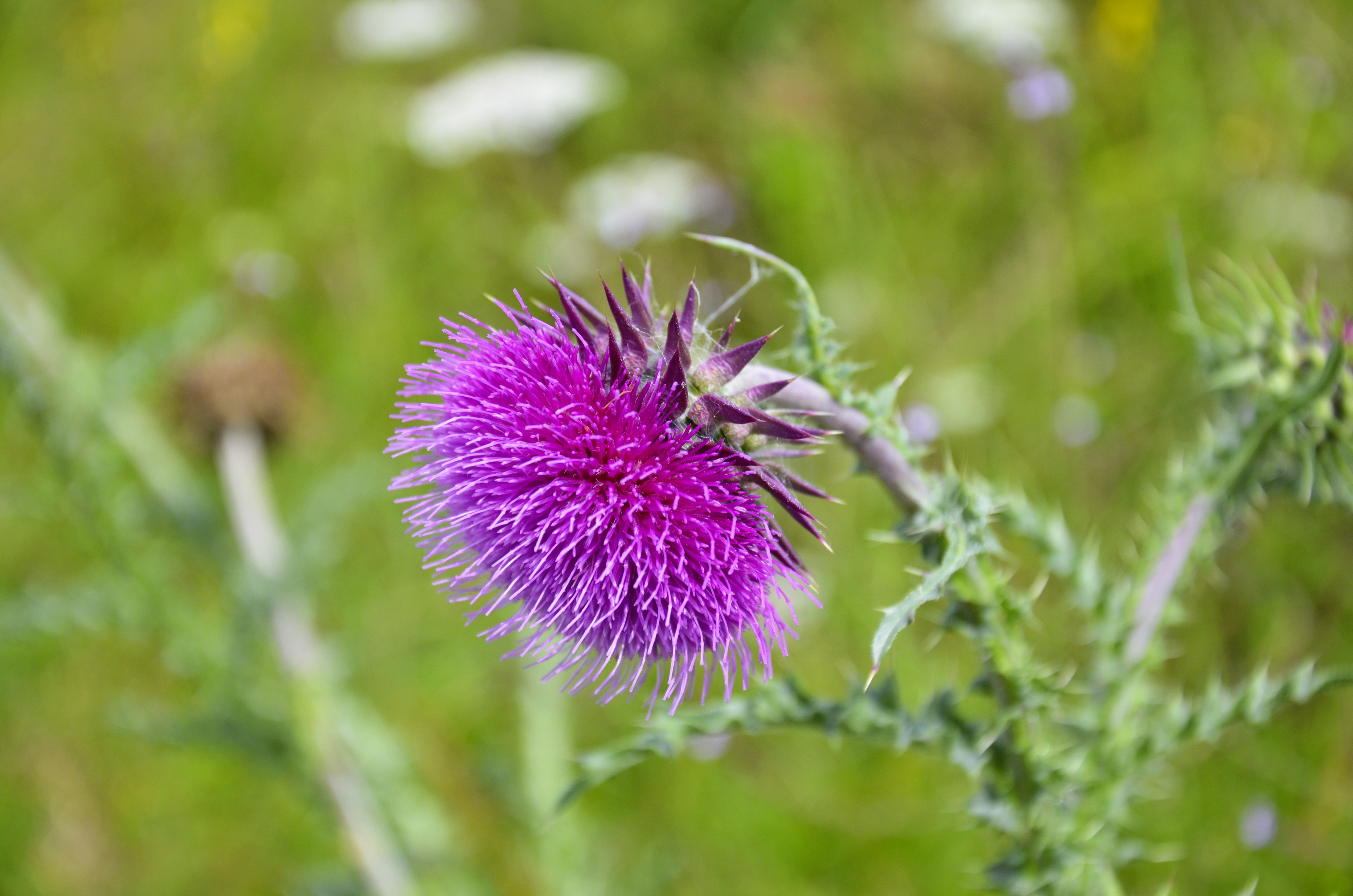
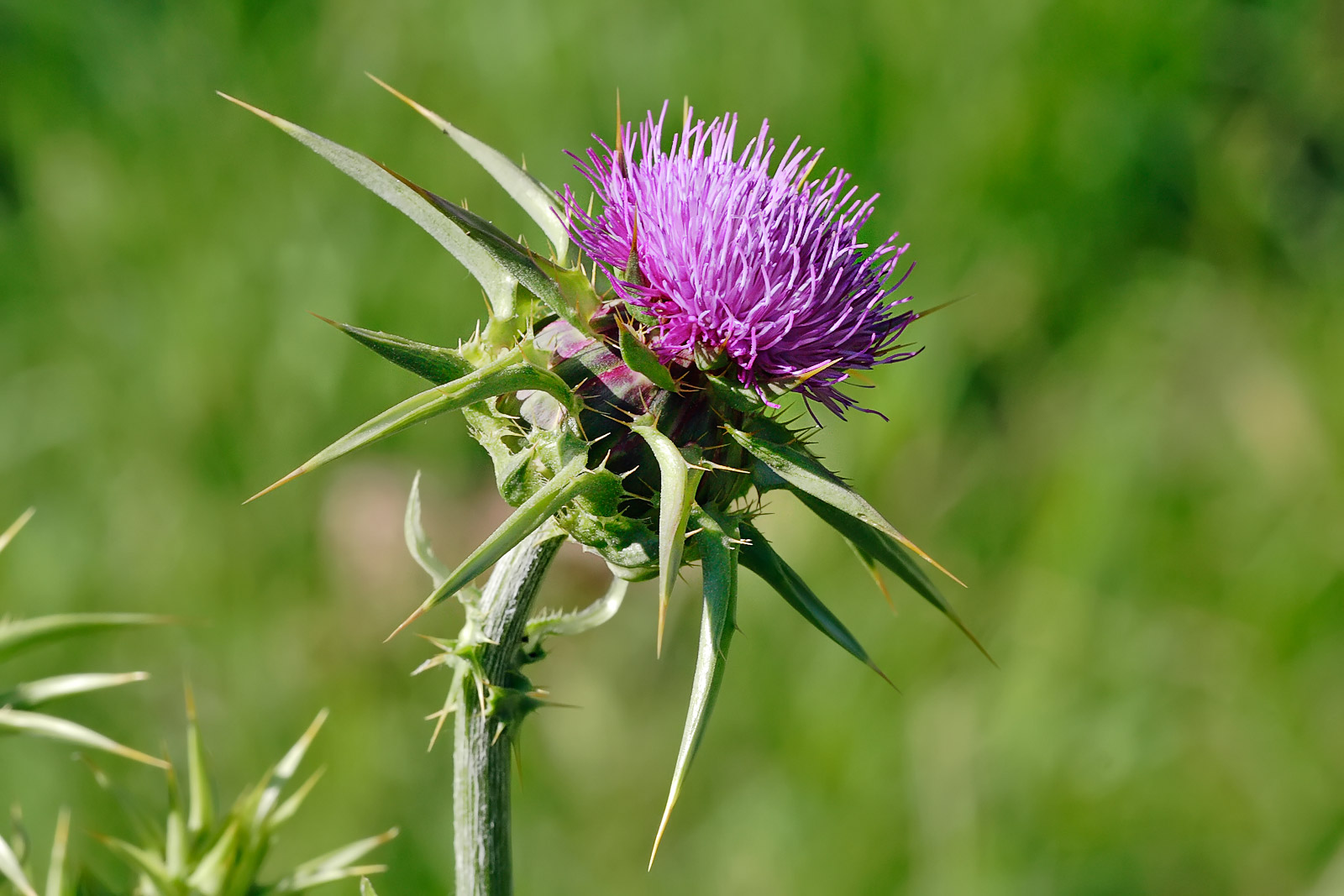
Flower: From summer onwards, prominent round flower heads develop at the top of the stems, featuring tubular flowers in a beautiful crimson-purple color, which are also heavily protected by spines.
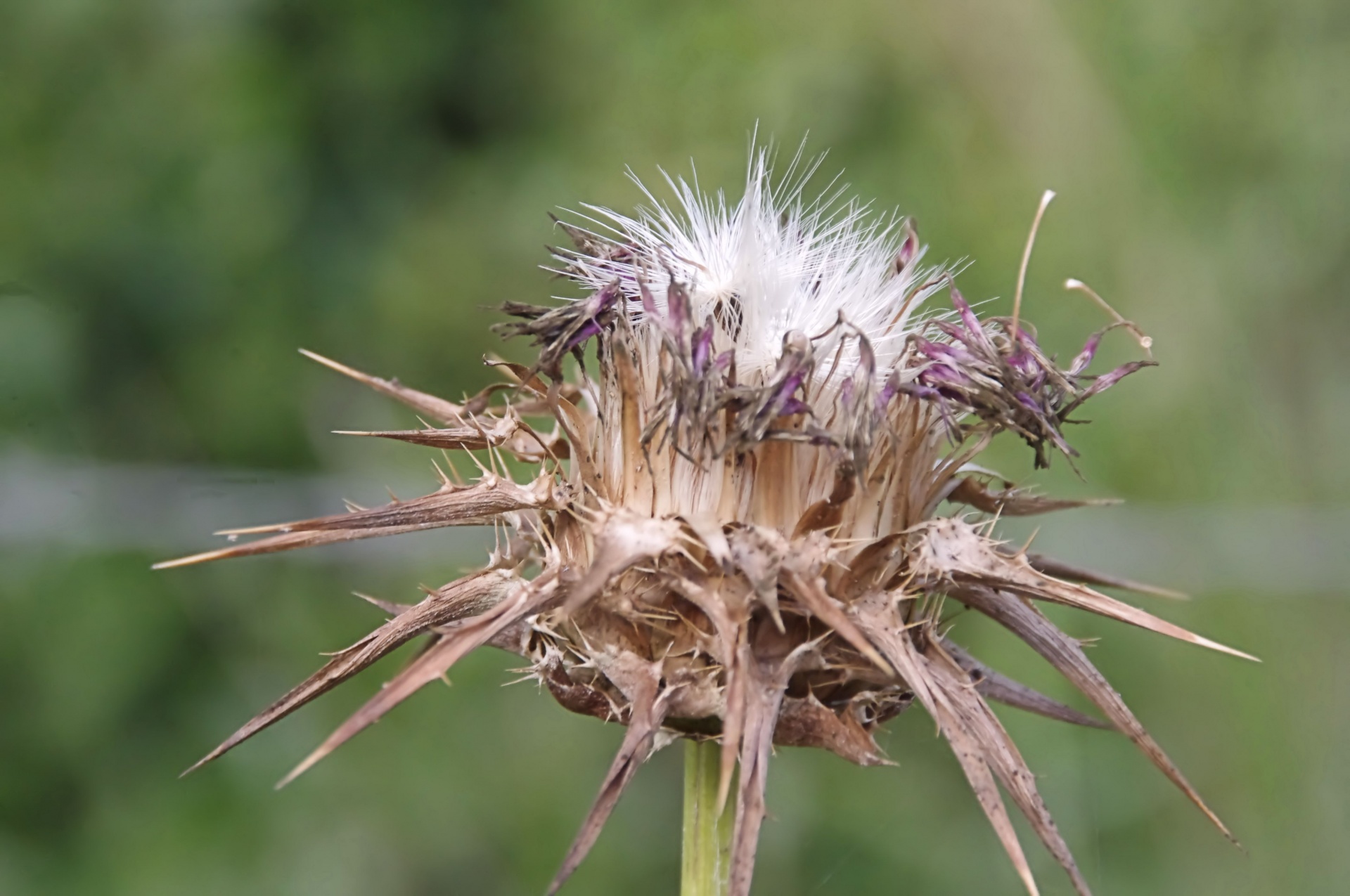
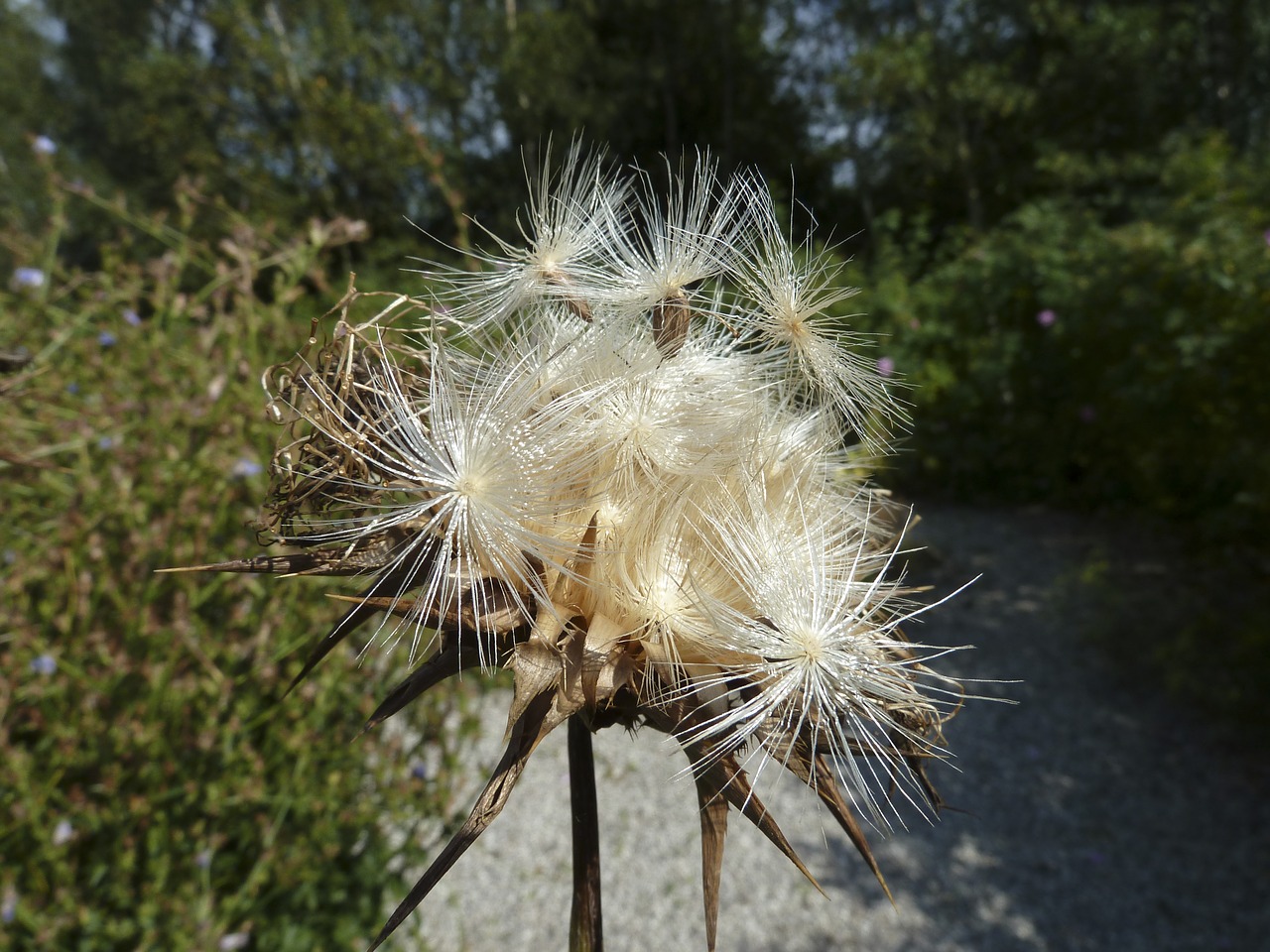
Fruit (achene): When the flower fades, fruits develop from it, which are often colloquially referred to as seeds in traditional folk medicine. Since milk thistle belongs to the Daisy family (Asteraceae), this specific dry single-seeded fruit is botanically correctly called an achene. At the top of each achene is a pappus consisting of tiny hairs, which allows the seeds to be dispersed by the wind in nature.
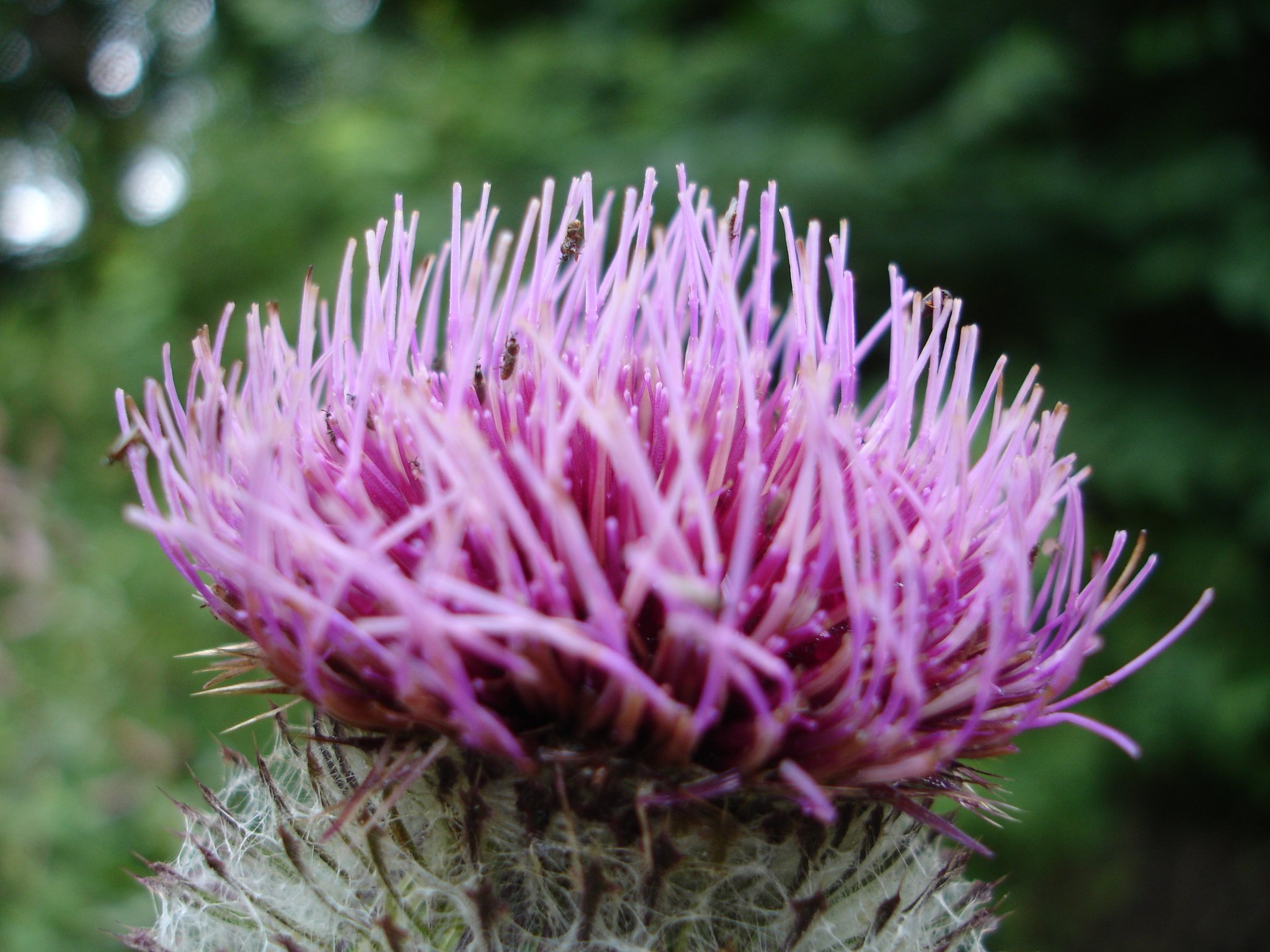
Due to its purple flowers and prickly leaves, milk thistle can easily be confused in nature with the woolly thistle (Cirsium eriophorum). The easiest way to identify milk thistle is by its characteristic white spots and smooth underside of the leaves, whereas the woolly thistle has completely green leaves that are hairy underneath. In addition, the flower of the woolly thistle is covered with a dense white down (similar to a cobweb), while the flower head of milk thistle is surrounded only by hard spines (involucral bracts) without any down. Woolly thistle is also usually taller, growing over 2 meters in height.
Milk Thistle’s Habitat: Where Does Milk Thistle Grow?
Milk thistle is native to warmer Mediterranean regions and the Middle East, but today it is distributed nearly worldwide. Its habitats can broadly be divided into two categories:
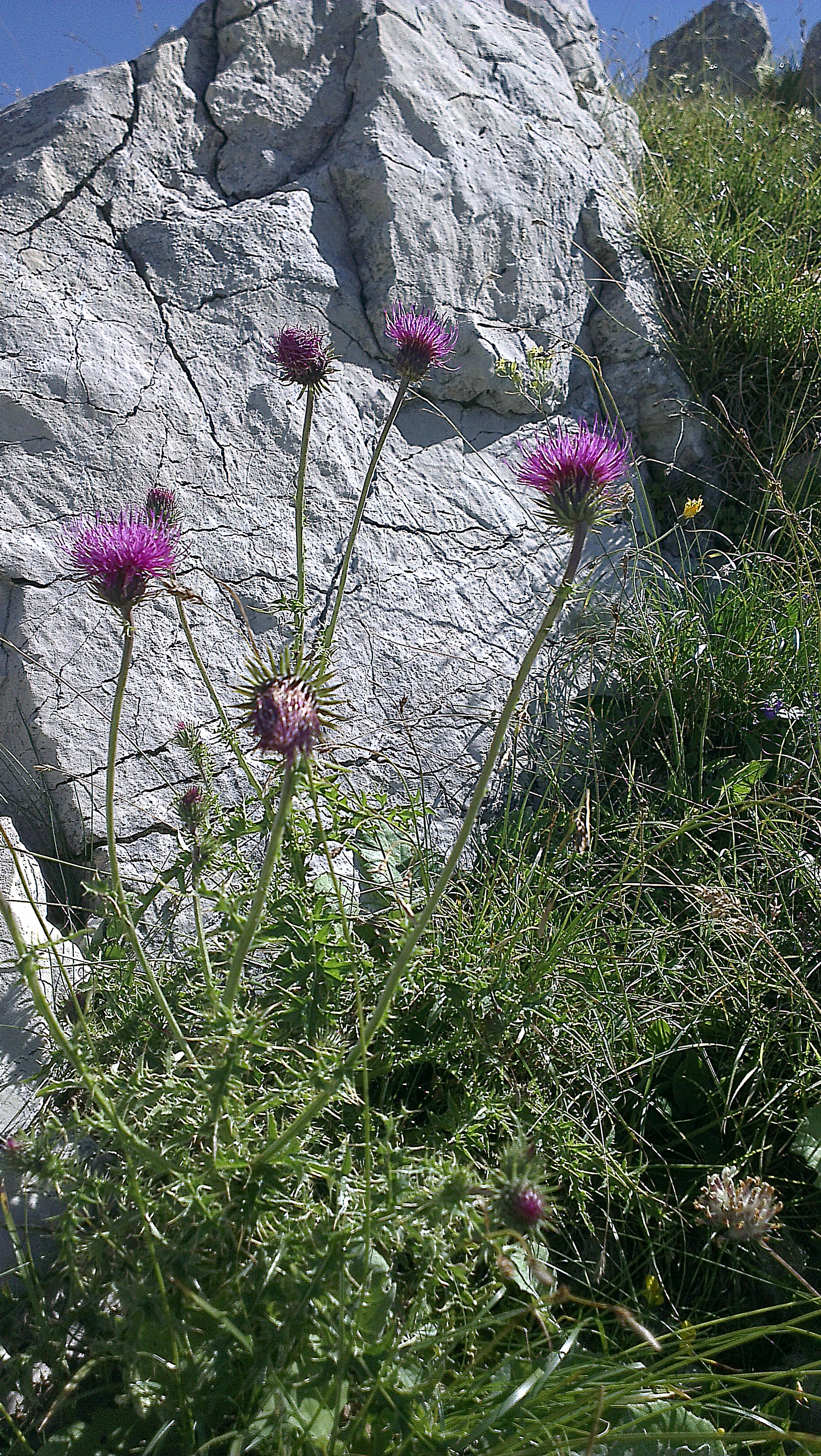
In the wild (wild-growing): As a wild plant, milk thistle prefers sunny, sheltered slopes, dry meadows, roadsides, and abandoned uncultivated land. It is extremely undemanding and handles drought exceptionally well.
In the home garden (cultivated): It is often intentionally sown as an exceptionally medicinal and highly decorative ornamental plant. For successful growth in the garden, it primarily needs well-drained soil and plenty of sun, while mature seeds often drop to the ground naturally and ensure growth the following year.
Milk thistle is primarily native to the Mediterranean region, Southern Europe, North Africa, and the Middle East. Due to its remarkable hardiness and adaptability, it has spread and become naturalized across many other parts of the world over the centuries:
- Western and Central Asia: It is present all the way to the Indian subcontinent.
- North and South America: It thrives in the temperate and warmer climate zones of both continents.
- Australia and New Zealand: Here, it has taken strong root in the natural environment.
Owing to its rapid self-seeding and sharp spines, it is considered a persistent weed or even an invasive species in certain areas outside its native range. Nevertheless, it is currently cultivated intentionally on large agricultural fields in many countries to supply the pharmaceutical industry and the production of dietary supplements.
When and Which Parts of Silybum marianum Do We Harvest?
With milk thistle, we harvest two main parts of the plant – the leaves and the fruits. Each part has its own specific harvesting period and therapeutic purpose:
Young leaves (from May to August in Northern Hemisphere): We harvest young, healthy, and undamaged leaves from late spring to late summer. In phytotherapy, dried leaves are used in tea blends to stimulate digestion and bile secretion. Young leaves are also edible in culinary applications (prepared as a vegetable or side dish), though their sharp marginal spines must be carefully trimmed before use.
Fruits or achenes (from August to September in Northern Hemisphere): The fruits are by far the most valuable part of the plant in phytotherapy, as they contain the highest concentration of the medicinal complex silymarin. The ripening time varies depending on geographical location and summer temperatures. The most suitable time for harvesting is in late summer when the flower heads turn brown and the characteristic white down (pappus) appears on them, but right before the mature seeds are dispersed by the wind.
Safe harvesting and drying process: Proper protection is essential when working with milk thistle (Silybum marianum), as the plant is extremely prickly.
- Essential equipment: Never head out into the field without thick leather protective gloves and sharp pruning shears.
- Practical harvesting tip: Do not shell the fruits or seeds directly in the field, as this is time-consuming and inconvenient. Instead, use shears to cut off whole mature flower heads and place them in a paper bag or woven basket.
- Drying and seed extraction: Spread the flower heads out at home in a dry, warm, and well-ventilated place. Once they dry completely, the flower heads will open up on their own – at that point, simply shake or knock the mature achenes out onto a clean surface.
Medicinal Properties and Health Benefits of Milk Thistle
When searching for a reliable and effective natural remedy for the liver, milk thistle (Silybum marianum) is undeniably at the top of the list due to its high silymarin content and proven effects in protecting and regenerating liver cells.
Milk thistle fruits contain silymarin, an exceptionally potent mixture of flavonolignans (the most significant among them being silybin, with isosilybin, silychristin, and silydianin also present). These active compounds act as powerful antioxidants that shield the liver and other parts of the body from harmful free radicals and help protect liver cells from oxidative stress. In addition to silymarin, the fruits also contain valuable plant oils rich in unsaturated fatty acids and vitamin E, as well as other flavonoids (such as taxifolin), which together further support antioxidant action and metabolism.
In folk medicine and daily advice for a healthy lifestyle, people frequently seek natural solutions for liver cleansing or liver detox, especially following periods of poor diet, medication use, or increased stress. Although scientifically speaking the liver, as our primary metabolic organ, tirelessly detoxifies the body on its own, milk thistle supports this natural process exceptionally effectively. Silymarin acts as a protective shield that aids liver cells (hepatocytes) in their natural regenerative function and guards them against damage.
Milk thistle also alleviates issues when the liver is already compromised by disease, excessive alcohol consumption, food poisoning, or fatty liver disease (note: in cases of acute poisoning, immediate emergency medical attention is required; milk thistle in such instances is used solely as a complementary support after consulting a physician).
In modern times, it is particularly important to highlight non-alcoholic fatty liver disease (NAFLD), today often termed metabolic dysfunction-associated steatotic liver disease (MASLD), which is sharply on the rise due to improper diet and modern lifestyles. In non-alcoholic fatty liver disease, some clinical studies have shown improvements in specific laboratory markers of liver function and an enhanced clinical picture; however, results are not uniform and there is insufficient high-quality evidence to recommend silymarin as a treatment for NAFLD.
Likewise, meta-analyses demonstrate that it successfully reduces total cholesterol and triglyceride levels in the blood. Milk thistle and the silymarin present within it comprehensively help protect liver cells and support their regeneration by stimulating protein synthesis and accelerating hepatocyte renewal.
Scientific literature and numerous clinical studies confirm that milk thistle, or its main active ingredient silymarin, has beneficial effects in type 2 diabetes:
- Reduction of blood sugar and HbA1c: Some clinical trials and meta-analyses suggest that silymarin might slightly improve blood sugar control in people with type 2 diabetes; however, the evidence is limited and insufficient to consider silymarin as a primary treatment for diabetes. Routine consumption of silymarin significantly lowers fasting blood glucose levels and HbA1c (glycated hemoglobin) levels, reflecting better long-term blood sugar regulation.
- Reduction of insulin resistance: A meta-analysis of studies confirmed that silymarin supplementation (for at least 4 weeks) significantly improves cellular responsiveness to insulin and accelerates sugar uptake from the blood.
- Regulation of blood lipids: Silymarin favorably affects lipid profiles by lowering levels of bad cholesterol (LDL) and triglycerides.
- Kidney protection: In one randomized clinical trial involving patients with type 2 diabetes and diabetic nephropathy, silymarin supplementation reduced proteinuria; however, more high-quality studies are needed to draw firm conclusions regarding its kidney-protective effect.
- Safe complementary support during therapy: Silymarin works best as a safe supportive supplement to standard treatment rather than a replacement for prescribed medication.
Use in folk medicine: In traditional folk medicine, milk thistle is believed to exert a beneficial effect on all internal circulatory organs, strengthen the spleen, and promote fluid excretion from the body. It is also traditionally used to alleviate symptoms of pancreatitis, although (unlike in liver and diabetic disorders) there is currently no solid clinical evidence to support this.
In addition to extracts, cold-pressed oil from milk thistle fruits is also used for therapeutic purposes. It is traditionally used to soothe stomach cramps and can also help with menstrual cramps and leucorrhea (vaginal discharge).
Due to its exceptionally high content of vitamin E and linoleic acid, cold-pressed milk thistle oil is also highly valued in natural cosmetics. For external use, it performs excellently in caring for dry, mature, and damaged skin (anti-aging effect) and for quickly soothing the skin after sun exposure.
Warning
Consumption of milk thistle (
Silybum marianum) fruits (seeds) is not recommended for pregnant women, breastfeeding mothers, and individuals with allergies. Furthermore, due to potential interactions, caution is necessary when taking it alongside prescribed medications.
Read moreHow to Use Milk Thistle?
Tea or infusion made from milk thistle (Silybum marianum) is a traditional way of using its fruits (colloquially seeds). To prepare the tea, the fruits should be ground or crushed immediately before use, as the active compounds are poorly extracted from whole fruits. Nevertheless, it is important to know that silymarin, the primary active ingredient in milk thistle, dissolves poorly in water; therefore, tea is less effective than consuming freshly ground fruits or standardized milk thistle preparations. Tea can be a suitable choice for traditional use, but for more significant liver issues, standardized extracts are preferred due to their superior silymarin content.
Milk thistle tincture: Since alcohol dissolves silymarin much better than water, preparing a homemade tincture is an excellent alternative. Mature milk thistle fruits (colloquially seeds) are most commonly used to make the tincture, as they contain the highest concentration of silymarin – the main active compound responsible for the milk thistle medicinal benefits.
Lightly crushed fruits are covered with 70% alcohol in a 1:3 ratio (1 part fruits to 3 parts alcohol) and allowed to macerate for 3 weeks. Shake the container several times during this period. Once maceration is complete, strain the tincture and store it in a dark glass bottle in a cool, dark place.
The usual dosage is 15–20 drops diluted in about 100 ml (or roughly 1/2 cup) of water or tea, 2 to 3 times daily. The method of use and dosage depend on the concentration of the preparation, so it is recommended to follow the manufacturer’s instructions (if the tincture was purchased) or a phytotherapist’s recommendations. With a tincture, you will successfully extract a significant portion of the medicinal substances that would otherwise remain unextracted in a tea.
If you are wondering how long to take milk thistle, research shows that to achieve initial positive effects (such as improving insulin resistance), it is recommended to consume it regularly for at least 4 weeks.
Consuming seeds with fats: Silymarin is a lipophilic compound, meaning it dissolves exceptionally well in fats. At home, you can improve its absorption in the body by mixing ground fruits (seeds) into a meal that contains healthy fats. Great options include full-fat yogurt, cottage cheese, kefir, or simply consuming them alongside a meal with an added tablespoon of high-quality cold-pressed oil.
If you decide to consume crushed or ground fruits (seeds), it is crucial that grinding is performed immediately before actual use. Milk thistle seeds contain a high proportion of natural fats and oils, which oxidize very rapidly upon contact with air after grinding and turn rancid. Purchasing or preparing large quantities of pre-ground seeds in advance is therefore not the best choice, as this leads to a loss of quality.
In culinary uses: Cooked young leaves can be used like spinach. Leaf stalks can be added to potato soup. Spines must be removed prior to cooking.
Advanced extracts, which are typically purchased. Although homemade preparations, such as tinctures and consuming seeds with fats, are excellent for general prevention, home preparations quickly reach their limits when facing more serious health challenges. Achieving maximum therapeutic effects requires modern technology.
Scientific research has shown that the bioavailability (the body’s ability to absorb and utilize the active ingredient) of silymarin can be improved when bound to phospholipids, such as phosphatidylcholine, in a laboratory setting. Such an advanced complex is called a phytosome. Phospholipid formulations, such as silybin-phosphatidylcholine complexes, can significantly enhance the bioavailability of silybin compared to some conventional extracts. However, this does not necessarily translate into a proportionally greater clinical effect across all diseases.
This is extremely important information for anyone choosing capsules in a pharmacy or specialized store. When purchasing dietary supplements, always read the label carefully and check whether the product contains a standardized extract (typically, those with a 70–80% silymarin content are recommended). Rather than cheap dietary supplements that often contain only ground seed powder and fall far short of the same therapeutic effect for more serious concerns, it is advisable to seek out these standardized extracts—ideally formulated as phytosome complexes—for targeted liver or metabolic support. This process cannot be replicated at home, but it represents the gold standard in modern phytotherapy.
How to Prepare Milk Thistle Tea or Infusion?
Milk thistle tea recipe:
- Fresh grinding: Grind the milk thistle (Silybum marianum) fruits in a coffee grinder or crush them thoroughly in a mortar immediately before use. Grinding should be performed right before tea preparation, as the seeds become more susceptible to oxidation after grinding and lose their potency.
- Pouring: Pour approximately 100 ml of boiling water over one teaspoon (3–5 g) of crushed fruits.
- Steeping: Cover the vessel and let the covered infusion steep for 10–15 minutes.
- Straining: Strain the infusion and drink it while still warm.
For digestive issues and to stimulate bile secretion and liver function, the tea is traditionally consumed 2 to 3 times daily, approximately 30 minutes before meals.
Note regarding tea efficacy:
The primary active ingredient in milk thistle, silymarin, is extremely poorly soluble in water. An infusion will extract mainly bitter substances and other water-soluble compounds that effectively stimulate digestion and bile secretion. However, if you wish to achieve the full therapeutic effect of silymarin for liver regeneration, it is far more effective to consume freshly ground seeds directly (e.g., mixed into yogurt, cereal, or taken with a spoon of cold-pressed oil) or to use standardized extracts in capsule form.
Milk Thistle Side Effects, Interactions, and Warnings
Although milk thistle is an exceptionally safe and well-tolerated natural remedy, certain warnings, contraindications, and potential interactions should be taken into account when using it.
When use is not recommended (contraindications):
- Pregnancy and breastfeeding: The consumption of milk thistle is not recommended for pregnant women and breastfeeding mothers, as there are currently insufficient reliable clinical studies regarding its safety during these periods.
- Bile duct issues: Because milk thistle strongly stimulates bile secretion, special caution is required for individuals with bile duct obstruction or symptomatic gallstones. In such cases, use is permitted only after prior consultation with a physician.
- Allergies: Individuals who are allergic to other members of the Daisy family (Asteraceae)—such as ragweed, chamomile, arnica, daisy, and various thistles—must exercise caution.
- Severe or malignant liver diseases: In cases of malignant liver diseases, always consult your attending oncologist or hepatologist regarding its use.
Drug interactions: Laboratory and pharmacokinetic research indicates that certain components of milk thistle may influence specific enzymes (primarily liver enzymes from the cytochrome P450 family) and transporters; however, the clinical significance of these effects in humans is not fully clarified. If you take medications with a narrow therapeutic window or multiple medications simultaneously, it is advisable to consult a doctor or pharmacist before using concentrated preparations. If you regularly take prescribed medications (e.g., statins to lower cholesterol, blood sugar-lowering drugs, immunosuppressants, or contraceptive pills), you must consult your doctor or pharmacist prior to starting high doses of silymarin.
Possible side effects: Milk thistle is generally very well tolerated. Mild and transient digestive disturbances occur only rarely, such as: nausea or a feeling of fullness in the stomach, mild bloating, softer stools, or a mild laxative effect (especially when consuming larger quantities, as stimulated bile secretion accelerates digestion).
Practical tips for safe and effective use:
- Increasing absorption: Since silymarin is a lipophilic (fat-soluble) compound, the body absorbs it significantly better if ground seeds are consumed alongside a meal containing fats—for example, mixed into yogurt, cottage cheese, a smoothie, or taken with a teaspoon of high-quality cold-pressed oil.
- Harvesting safety: Always use thick protective gloves and sharp shears when harvesting flower heads, as milk thistle spines are extremely sharp and can injure the skin.
Interesting Facts About Milk Thistle
Legend of Mary’s thistle: Due to Christian tradition, milk thistle is also known as Mary’s thistle—from which its Latin name (Silybum marianum) and English designation (Milk Thistle) originate. According to the legend, while fleeing to Egypt with the infant Jesus, Mary hid beneath the large leaves of the plant to nurse her baby in peace. During feeding, a few drops of her milk supposedly fell onto the leaves, and in memory of this event, the leaves of milk thistle retain their characteristic white spots and veins to this day.
An ally for our pets: Interestingly, milk thistle is not only highly valued in human health, but is also one of the most frequently used natural supplements in veterinary medicine.
Veterinarians recommend silymarin to dog and cat owners as an excellent natural support and protector for the liver. Its use is particularly valuable: after surgeries to facilitate faster metabolism of anesthetics and medications in the liver, in cases of poisoning to stimulate recovery after poisoning from food, chemicals, or plant toxins, and during long-term treatments as liver protection when strong veterinary medications (e.g., non-steroidal anti-inflammatory drugs or antiepileptics) must be administered continuously.
Warning for pet owners: Although silymarin is very safe for dogs and cats, human dietary supplements and tinctures often contain dosages or excipients (e.g., xylitol or alcohol) that are toxic to animals. For your pets, always select dedicated veterinary products or consult a veterinarian regarding precise dosing based on the animal’s weight.
Antidote for the deadly death cap mushroom: Did you know that in modern emergency medicine, milk thistle extract is used to save lives in severe mushroom poisonings? The death cap mushroom (Amanita phalloides) is one of the most poisonous mushrooms in the world, as its toxin (amatoxin) rapidly and irreversibly destroys the liver.
Silibinin, one of the main active components of milk thistle, is used intravenously in certain countries as part of hospital treatment for severe poisoning by amatoxins, which are found in the death cap (Amanita phalloides). Research shows promising results, although clinical evidence is limited, as it is mostly based on observational studies and case reports. In cases of suspected poisoning, immediate hospital treatment is required; homemade milk thistle preparations cannot replace emergency medical care under any circumstances.
Culinary curiosity: Beyond the culinary use of young leaves and stalks, roasted milk thistle seeds were historically used as an excellent caffeine-free coffee substitute, similar to chicory or acorns.