How to Identify Lady’s Bedstraw (Galium verum)
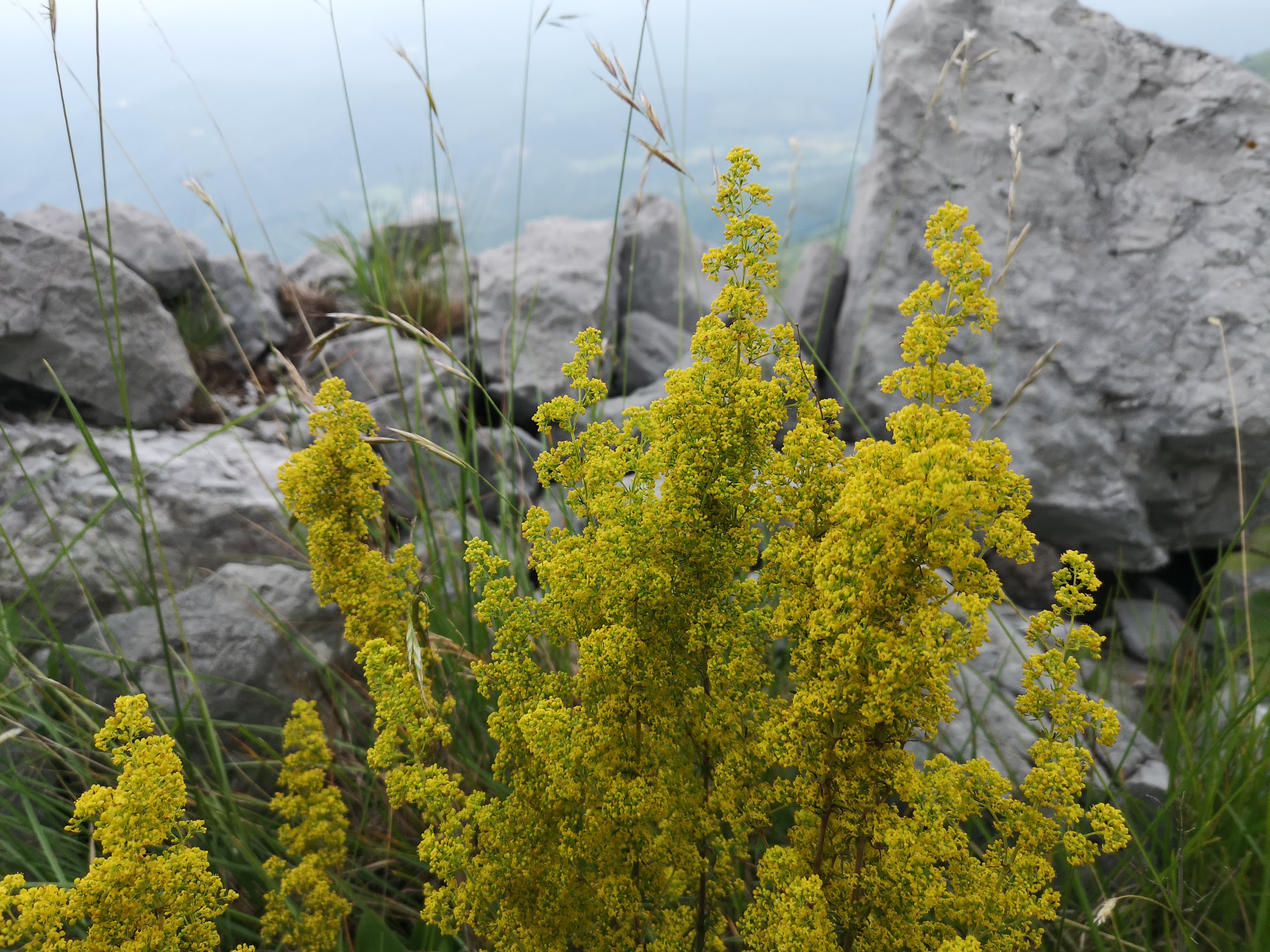
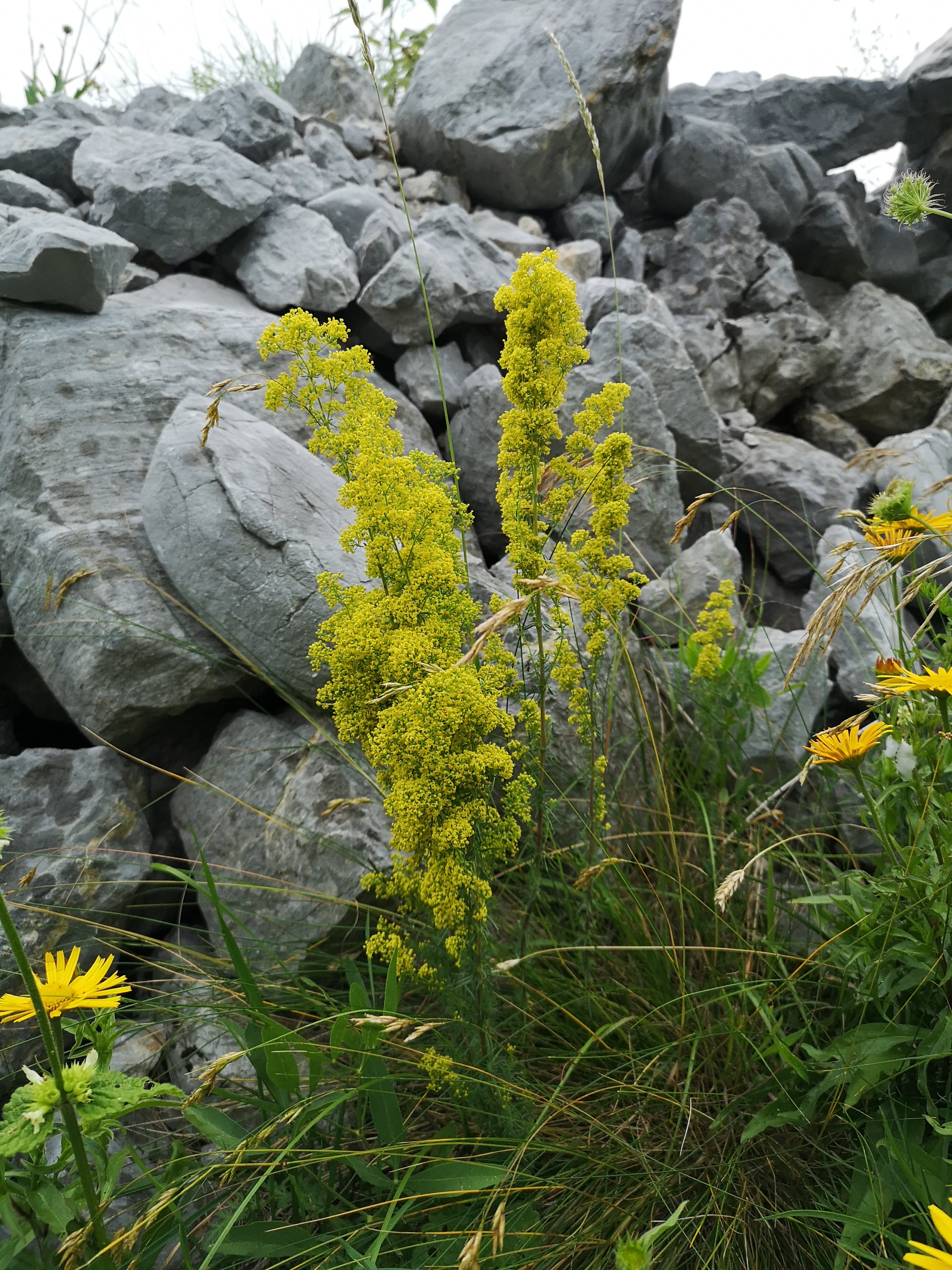
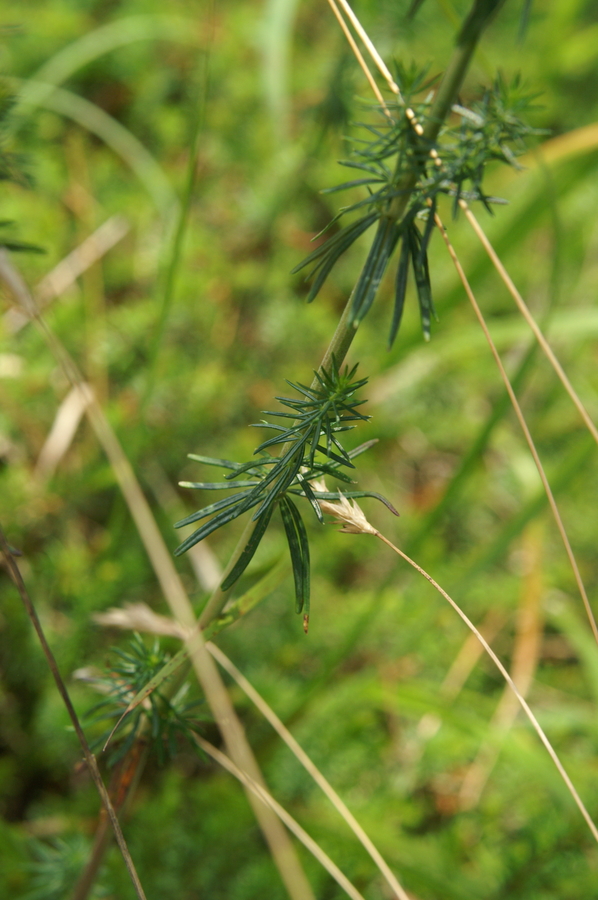
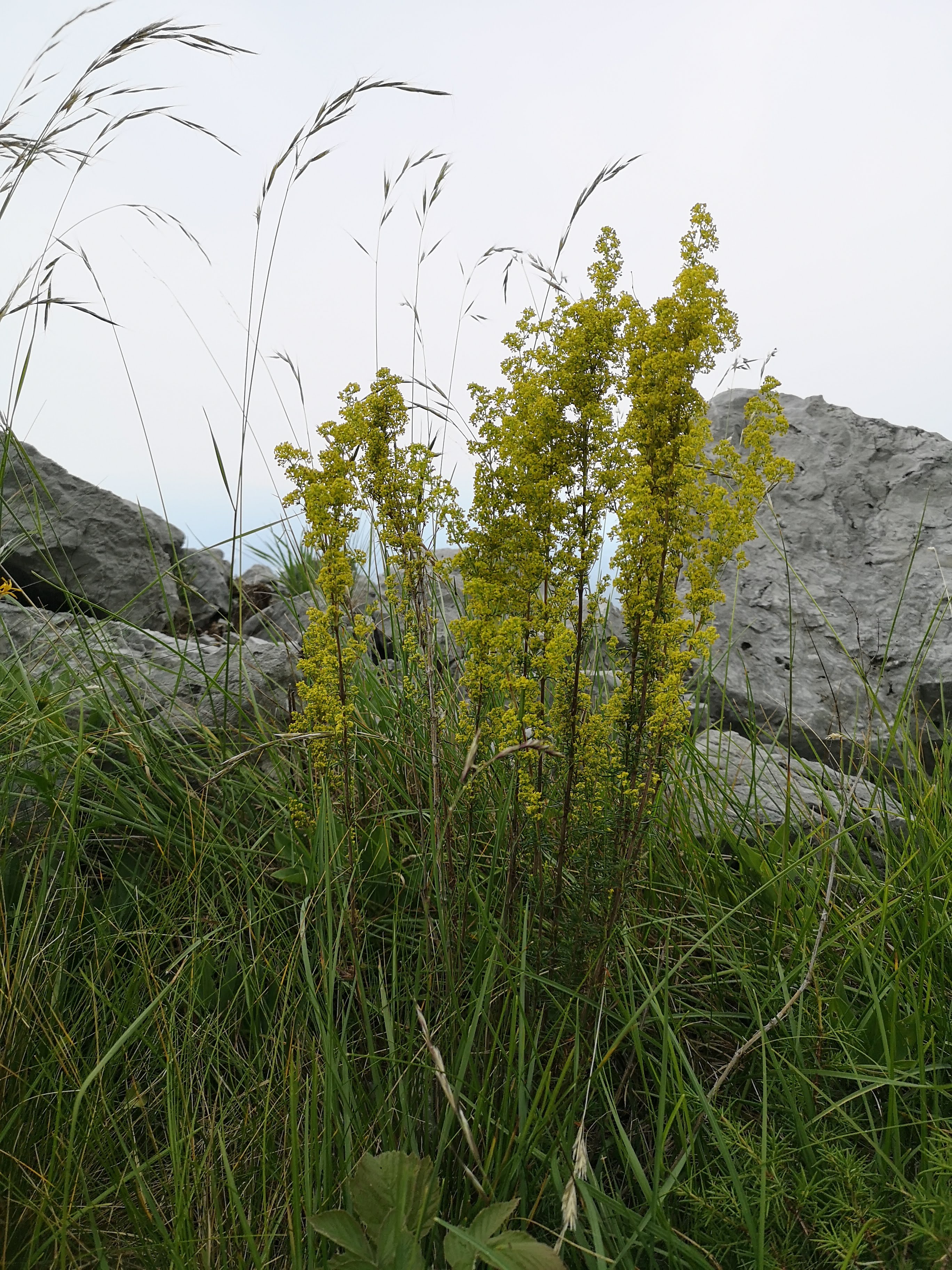
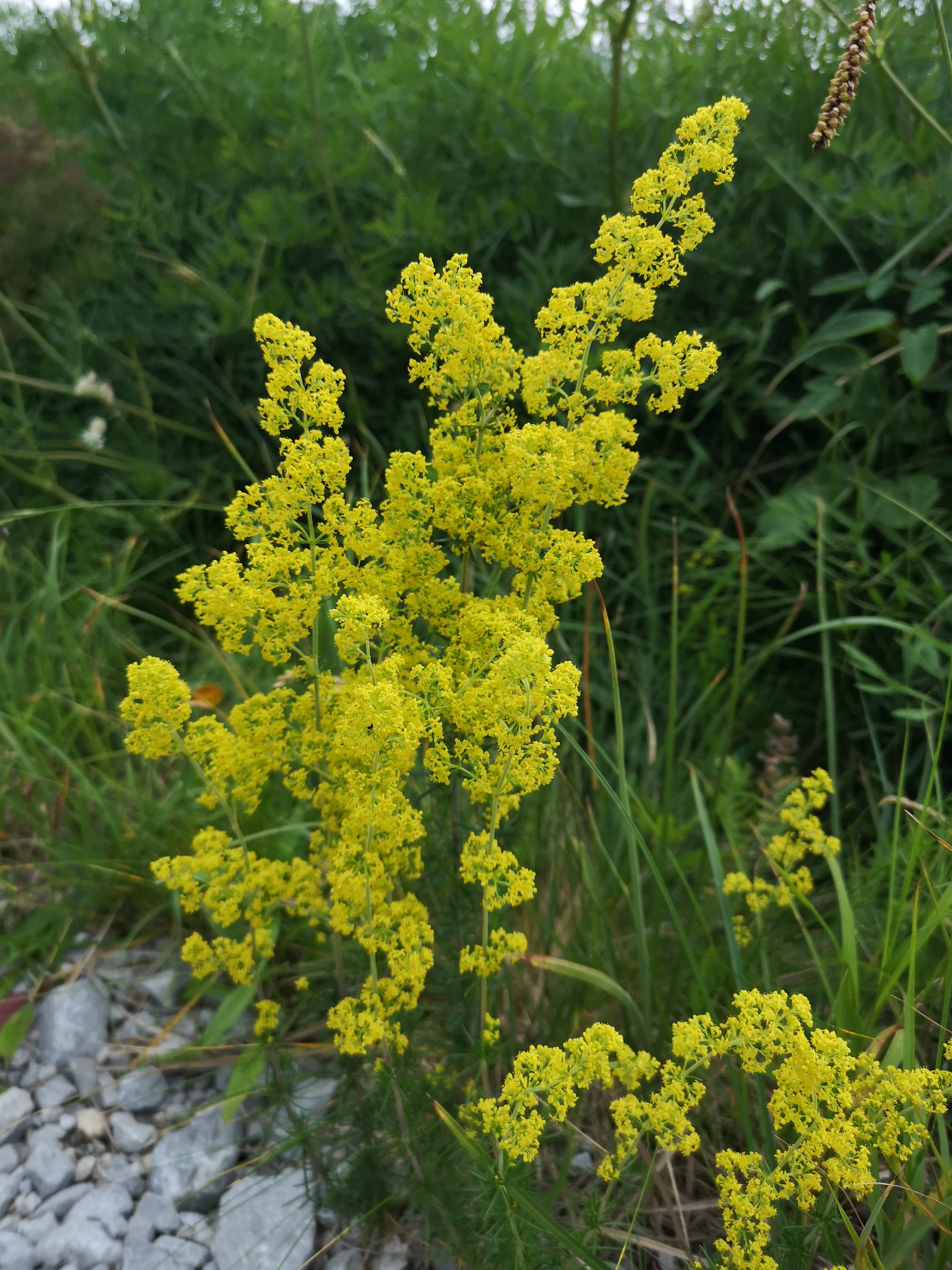
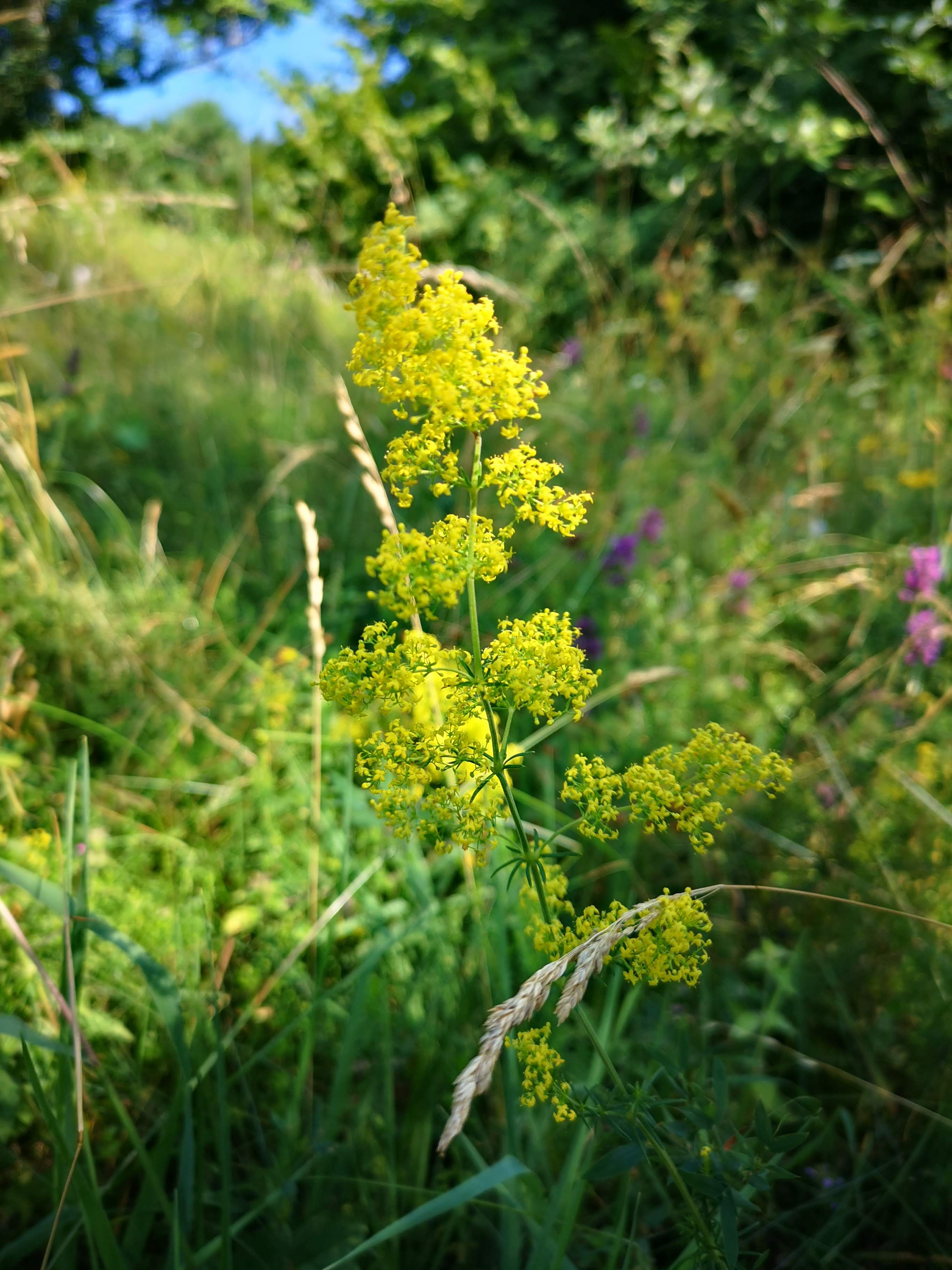
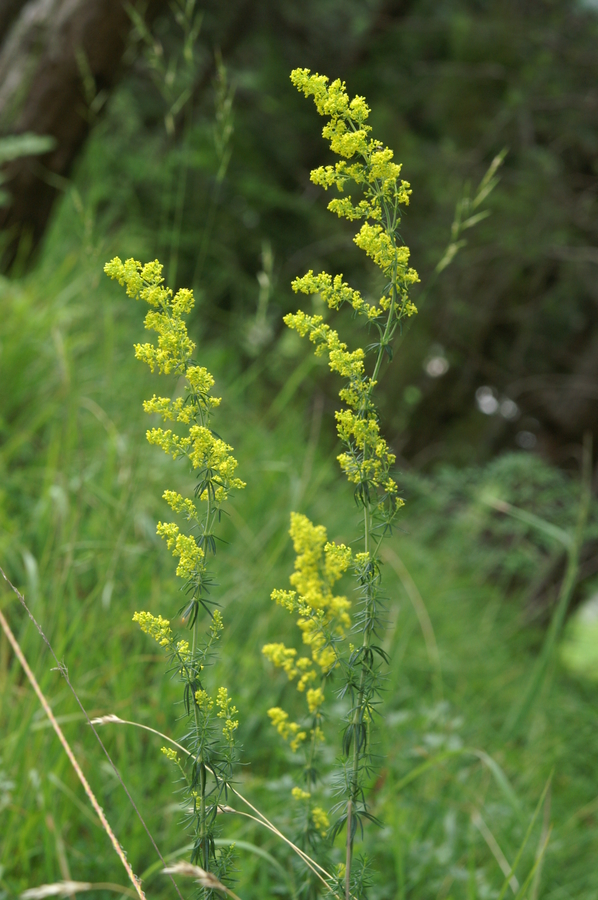
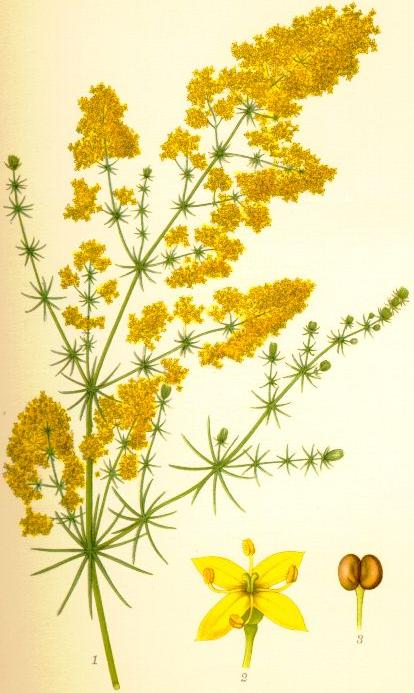
Lady’s Bedstraw (Galium verum) is a perennial herb that grows up to approximately 60 cm tall. Its stem is upright, four-angled, and may be slightly hairy. The leaves are very narrow and needle-like, with rolled-under margins, while their undersides are somewhat whitish and covered with fine hairs. They are arranged in whorls along the stem, usually with 8 to 12 leaves per whorl.
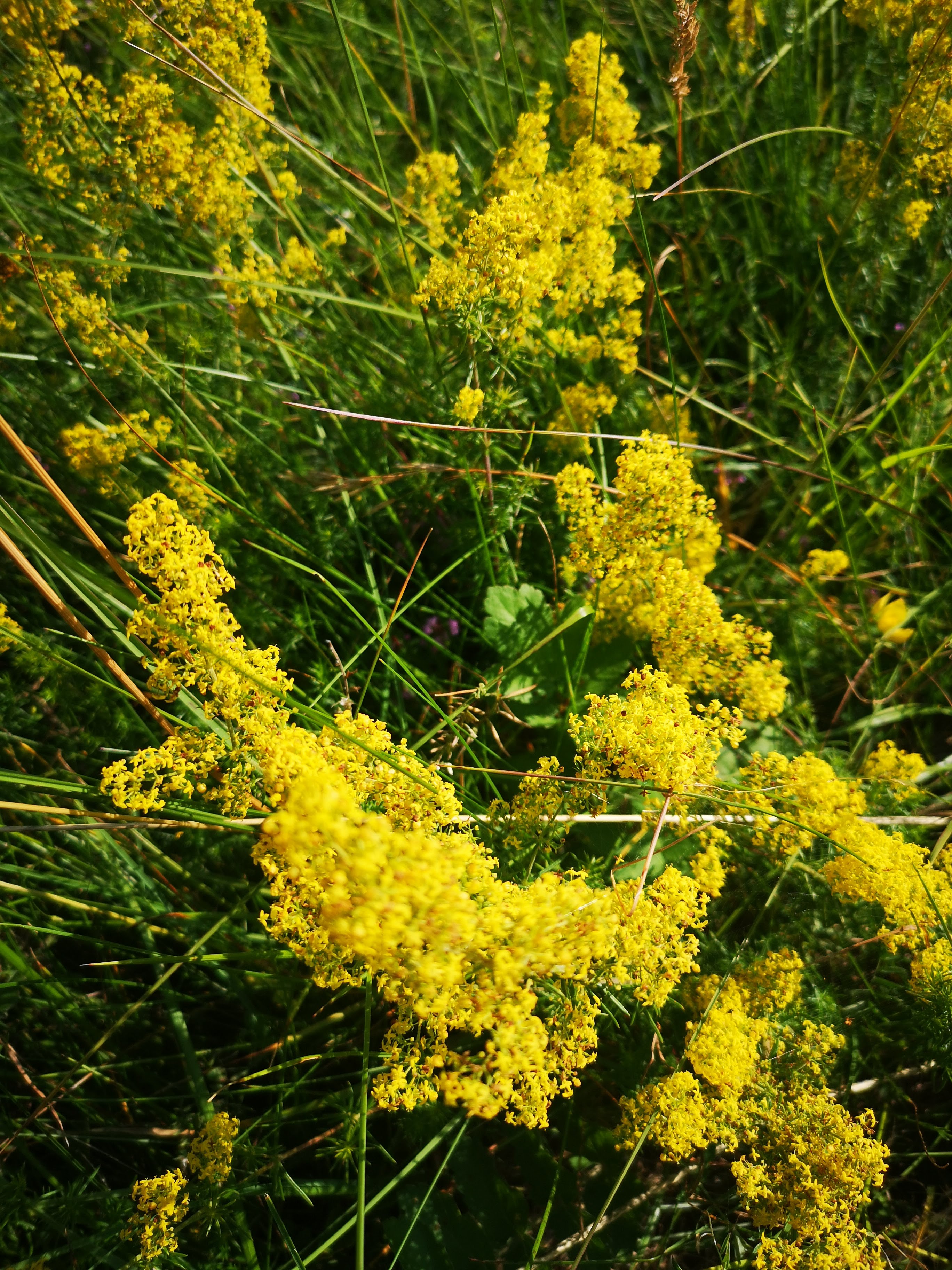
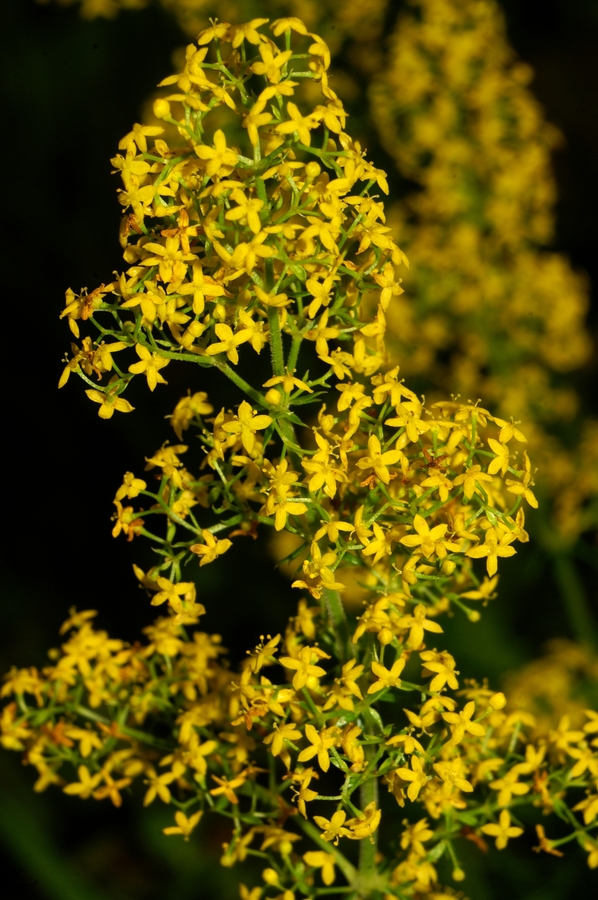
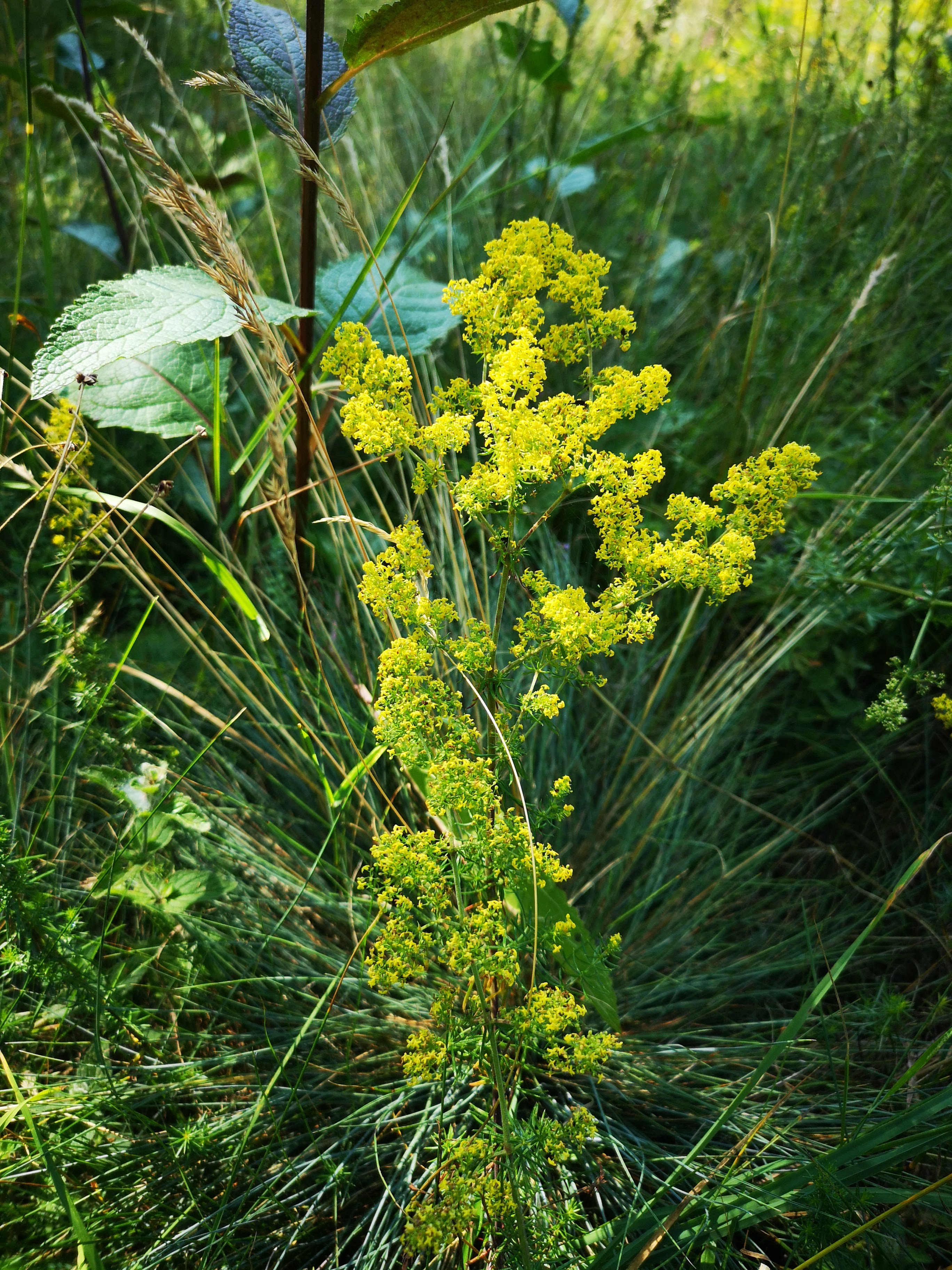
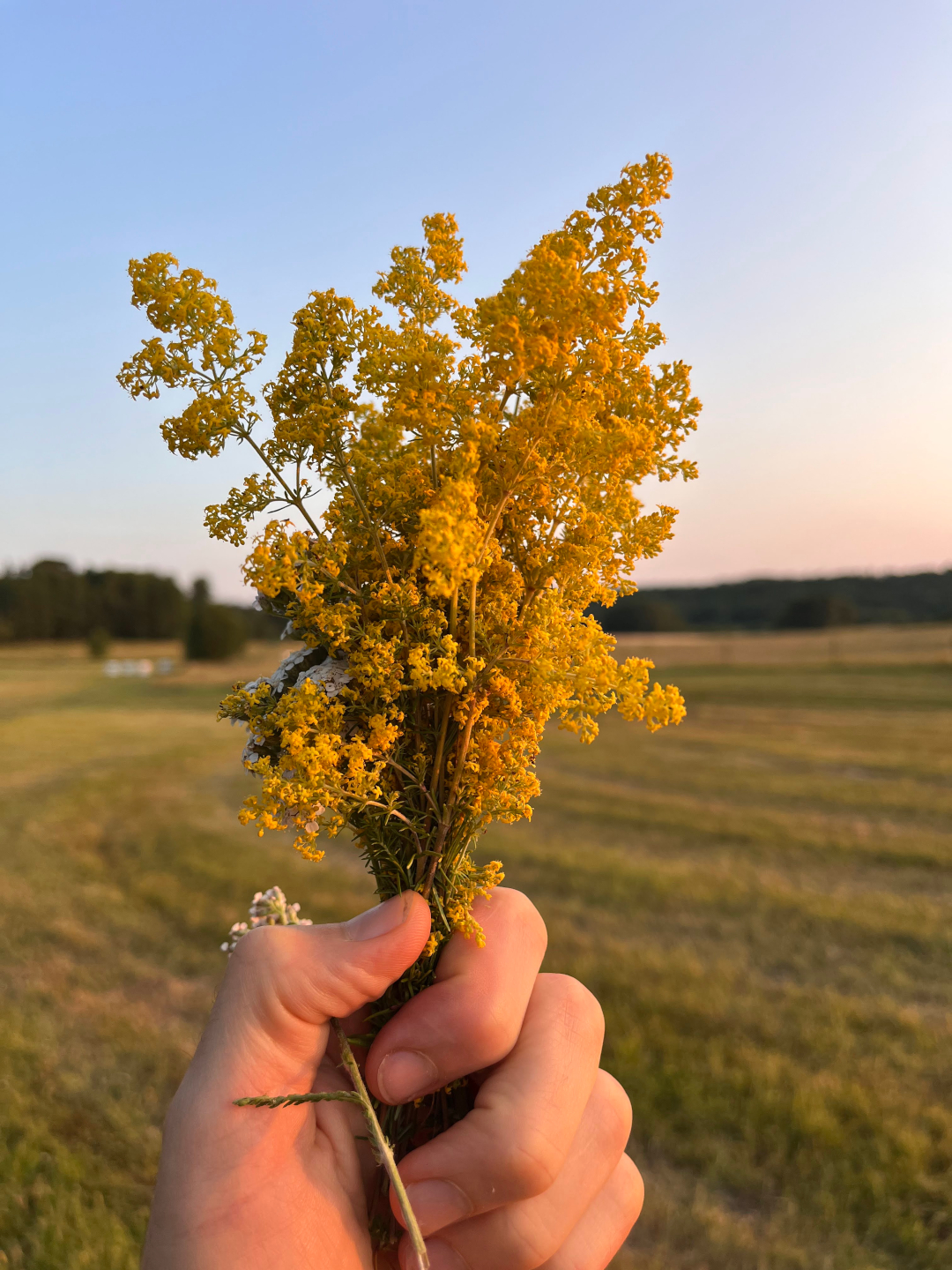
Lady’s Bedstraw blooms with small, pale to golden-yellow flowers, which are clustered in dense, branched inflorescences and often have a pleasant honey-like fragrance. It is most commonly found in dry, sunny meadows.
If observed carefully, lady’s bedstraw is relatively easy to identify in the wild and is difficult to confuse with other species. At first glance, it may occasionally be mistaken for crosswort (Cruciata laevipes), which has differently shaped inflorescences and leaves. Other similar species include hedge bedstraw (Galium mollugo), which has white flowers, and cleavers (Galium aparine), which is characteristically sticky and clings to clothing. The most reliable identifying feature of lady’s bedstraw (Galium verum) is its small, golden-yellow flowers, which clearly distinguish it from related species.
Lady’s Bedstraw Habitat: Where Does It Grow?
Lady’s bedstraw (Galium verum) grows primarily in dry, sunny meadows, pastures, and forest edges, as well as on moderately nutrient-poor, often calcareous soils. It is most commonly found in open, unshaded habitats with well-drained soil where fertilization is limited, preferring more natural and extensively managed landscapes. It is also common in lowland and hilly regions, where it can form large stands within meadow ecosystems.
Galium verum is widespread throughout most of Europe and western Asia, and can also be found in North America.
When and How to Harvest Lady’s Bedstraw
Lady’s bedstraw is harvested during its flowering period, usually from June to September in the northern hemisphere, when it contains the highest levels of aromatic and bioactive compounds. The best time for harvesting is on a dry and warm day, during the morning or around midday, after the dew has dried, as this reduces moisture in the plant material and improves the drying quality. It is important to harvest plants from clean, unpolluted habitats and, if possible, during full bloom, when the flowers are well developed and have their characteristic yellow color.
Which Parts of Lady’s Bedstraw to Collect?
We mainly harvest the upper part of lady’s bedstraw, approximately the top 10 cm, where the dense inflorescences with developed flowers are located. This part of lady’s bedstraw contains the highest levels of aromatic and bioactive compounds, making it the most suitable for further use and drying. When harvesting, we take care to cut the plant gently, without pulling out the entire plant, in order to allow the plant to continue growing and preserve the population in nature.
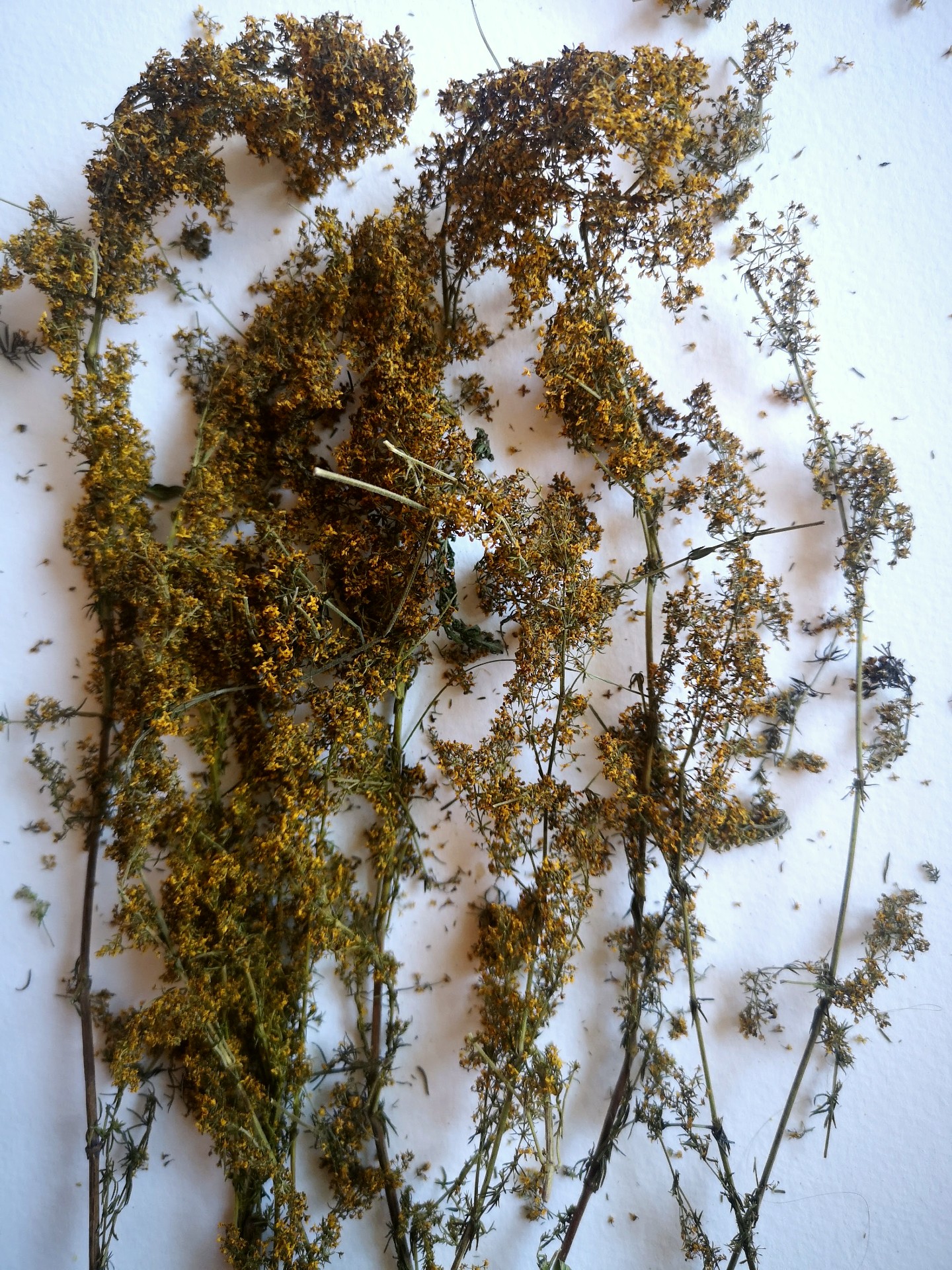
How do we dry lady’s bedstraw? Lady’s bedstraw is dried in thin layers in an airy, shaded, and dry place. During drying, the characteristic golden-yellow color of the flowers often becomes slightly darker. Store the dried plant in tightly sealed glass containers or paper bags to protect it from moisture and light.
Lady’s Bedstraw Benefits & Medicinal Properties
Among the important bioactive compounds found in lady’s bedstraw (Galium verum) are flavonoids (e.g., quercetin and rutin), which have strong antioxidant properties, as well as phenolic acids with antimicrobial activity. The plant also contains iridoid glycosides with potential anti-inflammatory effects, tannins, anthraquinones, triterpenes, coumarins, phytosterols, and small amounts of essential oils.
Due to its diverse spectrum of bioactive compounds and their potential pharmacological effects, lady’s bedstraw is considered a promising medicinal plant that remains the subject of further scientific research.
Animal studies indicate that lady’s bedstraw has strong antioxidant activity, meaning that it helps protect cells from oxidative stress and inflammation. Studies have also demonstrated antimicrobial activity against certain bacteria and fungi, supporting its traditional use in wound care and various infections.
Modern laboratory studies show that lady’s bedstraw (Galium verum) also has interesting biological potential in the field of cancer research. In studies on cell cultures, a water extract (decoction) of the plant inhibited the growth of certain cancer cells and reduced their ability to spread. A protective effect on healthy cells against specific types of DNA damage was also observed. Despite these promising results, these are preclinical laboratory studies, and the effectiveness of lady’s bedstraw in cancer treatment in humans has not yet been scientifically confirmed.
In addition, studies suggest possible protective medicinal effects on the liver and nervous system, which could be relevant in metabolic and neurodegenerative diseases. However, many more high-quality clinical studies are needed to better understand its effects and confirm safe and effective use in humans.
Based on a review study, Galium verum is also interesting in the context of research on inflammatory skin diseases, such as psoriasis. Due to its content of flavonoids, phenolic acids, and other antioxidant compounds, extracts of the plant may contribute to reducing oxidative stress and inflammatory processes in the skin, which are important factors in the development of psoriasis.
However, it should be emphasized that these medicinal effects are currently supported mainly by laboratory and preclinical research, while clinical studies in humans are still lacking. Therefore, its therapeutic use for psoriasis has not yet been scientifically confirmed.
Lady’s bedstraw (Galium verum) has a long tradition of use in folk herbal medicine. It is most commonly used as a mild diuretic and in preparations for skin care and supporting the elimination of excess fluids from the body.
The diuretic effects of lady’s bedstraw are particularly valued, as it may stimulate kidney function and increase urine production. Traditionally, it has been used for urinary tract problems, such as bladder and kidney infections, as well as to help eliminate urinary sediment and small kidney stones.
In addition, it is also used externally, as it is believed to soothe irritated skin, contribute to skin cleansing, and support the healing of minor wounds, cuts, and skin inflammations. In some traditional preparations, it is also used for foot care.
It is also attributed with a mild spasmolytic (antispasmodic) effect, meaning that it may help relieve muscle spasms. Some older sources also mention its use for problems related to the spleen and pancreas; however, these claims are poorly supported scientifically and are based mainly on traditional knowledge.
How to Use Lady’s Bedstraw
Traditional uses of lady’s bedstraw include the preparation of teas, tinctures, ointments, and other herbal remedies.
Tea or infusion made from lady’s bedstraw (Galium verum) is traditionally used as a mild remedy to promote fluid excretion from the body and for urinary tract problems, such as bladder and kidney inflammations. Once cooled, the infusion can also be used to wash the face, as it is believed to help cleanse impurities and promote firmer, more supple skin.
Freshly pressed juice from lady’s bedstraw is traditionally used for topical skin care, especially for minor skin imperfections such as blackheads, boils, and other superficial skin changes. The juice is applied directly to the affected areas, where it is believed to help cleanse the skin and soothe inflammation.
Creams and ointments are prepared by mixing freshly pressed lady’s bedstraw juice with a suitable fat base (e.g., vegetable oil or lard). In traditional use, such ointments are applied to the skin for rashes, irritation, and other minor skin imperfections, where they are believed to help soothe and care for the skin.
Tincture made from lady’s bedstraw is used similarly to tea or infusion, mainly for urinary tract problems. A common traditional method of use is to add approximately 25–30 drops of tincture to water and consume it once to three times daily, usually before or after a meal.
These methods of use are based on traditional herbal knowledge, as clinically confirmed dosage guidelines for lady’s bedstraw are not yet available. Therefore, moderate use and adherence to general guidelines for the safe use of herbal preparations are recommended. See the blog post on how to prepare a tincture
In cooking, young leaves of lady’s bedstraw are used both raw and cooked, where their mild flavor adds variety to different dishes, such as spreads, soups, or spinach sauces. In the past, roasted seeds were occasionally used as a coffee substitute, while natural yellow dye was extracted from the flowers and used for coloring food.
The same traditional uses also apply to hedge bedstraw (Galium mollugo), which has similar properties and traditional applications but differs mainly in having white flowers and a somewhat different growth habit.
How to Prepare Lady’s Bedstraw Tea or Infusion
- Measure the herb: Use 2 teaspoons of dried, crushed lady’s bedstraw (Galium verum).
- Boil water: Bring 1 cup (approx. 250 ml) of water to a boil.
- Steep: Pour the boiling water over the herb, cover your cup, and let the covered infusion steep for 5 minutes.
- Strain and serve: Strain the liquid to remove the plant parts and enjoy warm.
The tea has a mild, slightly bitter and astringent taste, with a subtle herbal note reminiscent of dry meadow flowers. The flavor is gentle rather than pronounced, which is why it is often traditionally combined with other herbs or lightly sweetened.
Lady’s Bedstraw Side Effects & Precautions
Lady’s bedstraw (Galium verum) has been used in traditional herbal medicine for a long time; however, scientific research on its safety and effectiveness in humans is still limited. Most modern studies have been conducted in laboratories or on animals, meaning that its effects cannot yet be reliably confirmed in humans. Therefore, moderate use is recommended, especially in the form of tea or other traditional herbal preparations.
Although lady’s bedstraw is considered a relatively safe plant, digestive issues or allergic reactions may occur in sensitive individuals. Due to the lack of available data, the use of lady’s bedstraw is not recommended during pregnancy and breastfeeding or for young children without consulting a healthcare professional. Caution is also advised when using it together with medications or other medicinal plants, as potential interactions have not yet been sufficiently studied. People with cardiovascular diseases or problems with fluid retention should consult a doctor before use.
Interesting Facts About Lady’s Bedstraw
In European tradition, lady’s bedstraw (Galium verum) was valued for more than just its medicinal uses. Due to its natural enzymes and aromatic compounds, it was used in some regions of traditional cheesemaking to coagulate milk while also imparting a distinctive aroma and yellowish color to the cheese.
In the past, dried lady’s bedstraw (Galium verum) was commonly used as stuffing for mattresses and straw mattresses (sleeping mats filled with straw). Its pleasant fragrance was believed to repel insects, especially fleas, while its abundance and soft texture made it a suitable material for improving sleeping comfort. In some traditions, it was specifically added to the beds of pregnant women, as it was believed to provide protection for both mother and child. This historical use is also reflected in the English common name lady’s bedstraw.
According to folk tradition, placing a sprig of lady’s bedstraw inside a shoe was believed to help prevent blisters. Such beliefs were part of the traditional practice of using plants for “travel protection,” where herbs were thought to offer symbolic or protective benefits against the hardships and discomforts of travel.
A reddish dye can be extracted from the roots of lady’s bedstraw (Galium verum), while the flowers produce a natural yellow dye. Historically, the plant was therefore also used as a source of natural pigments for dyeing textiles and coloring food.