About the Plant
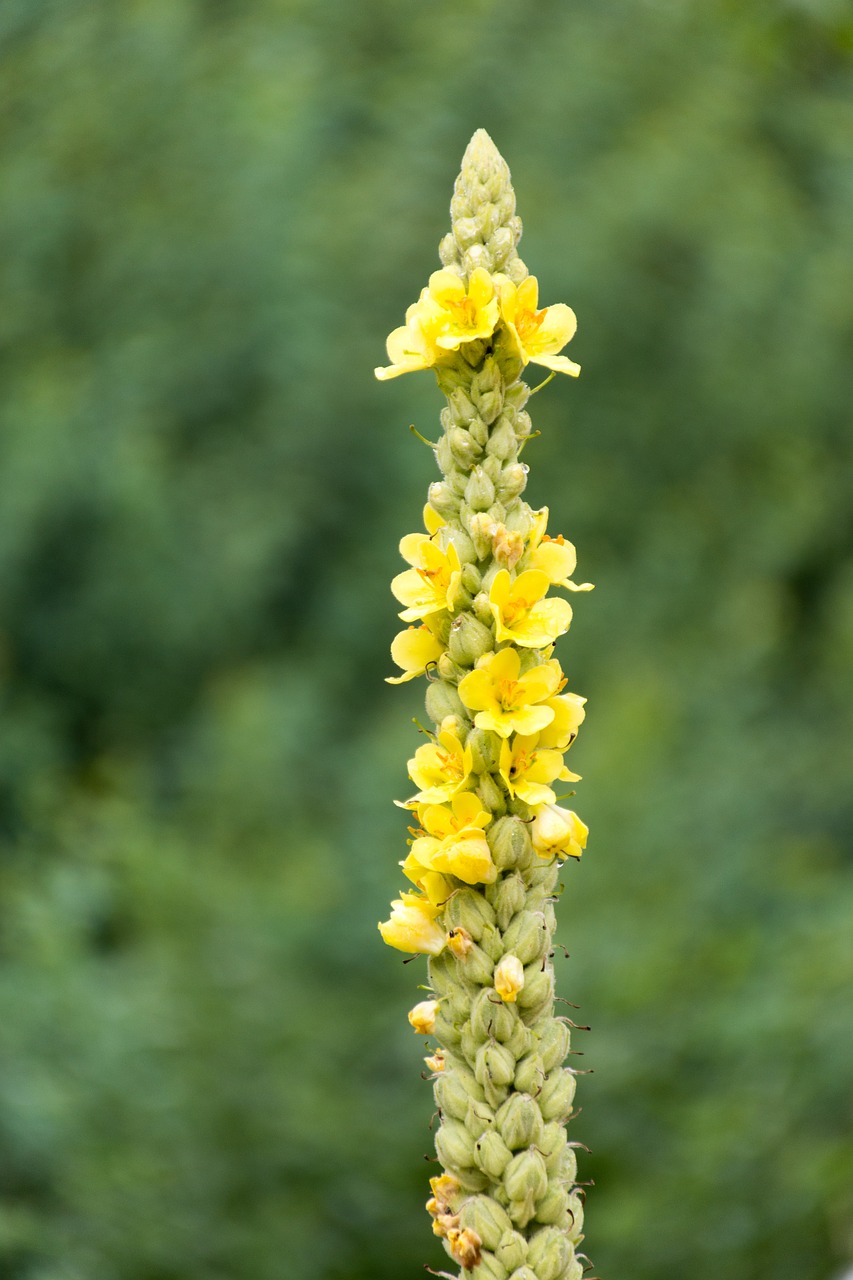
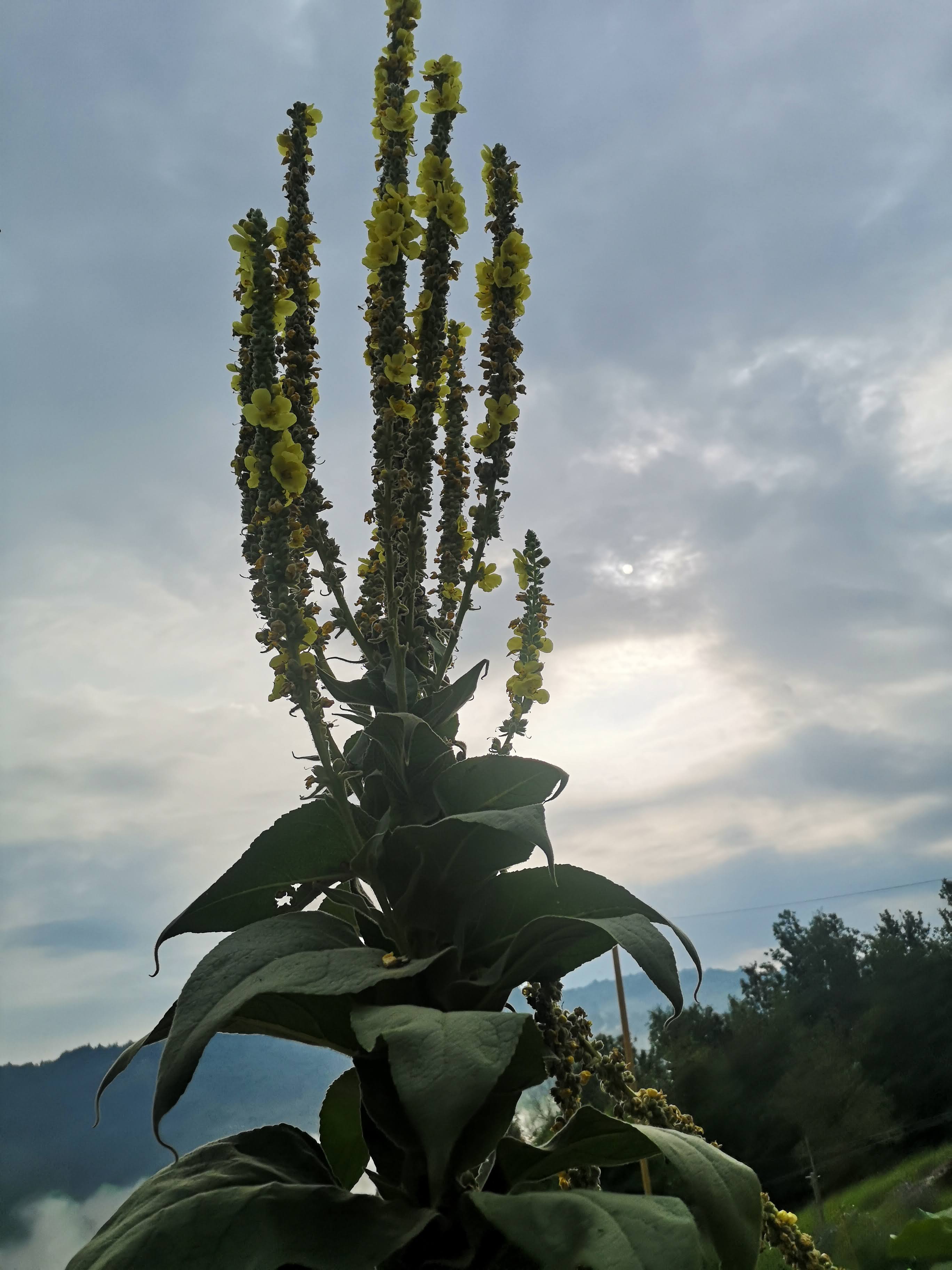
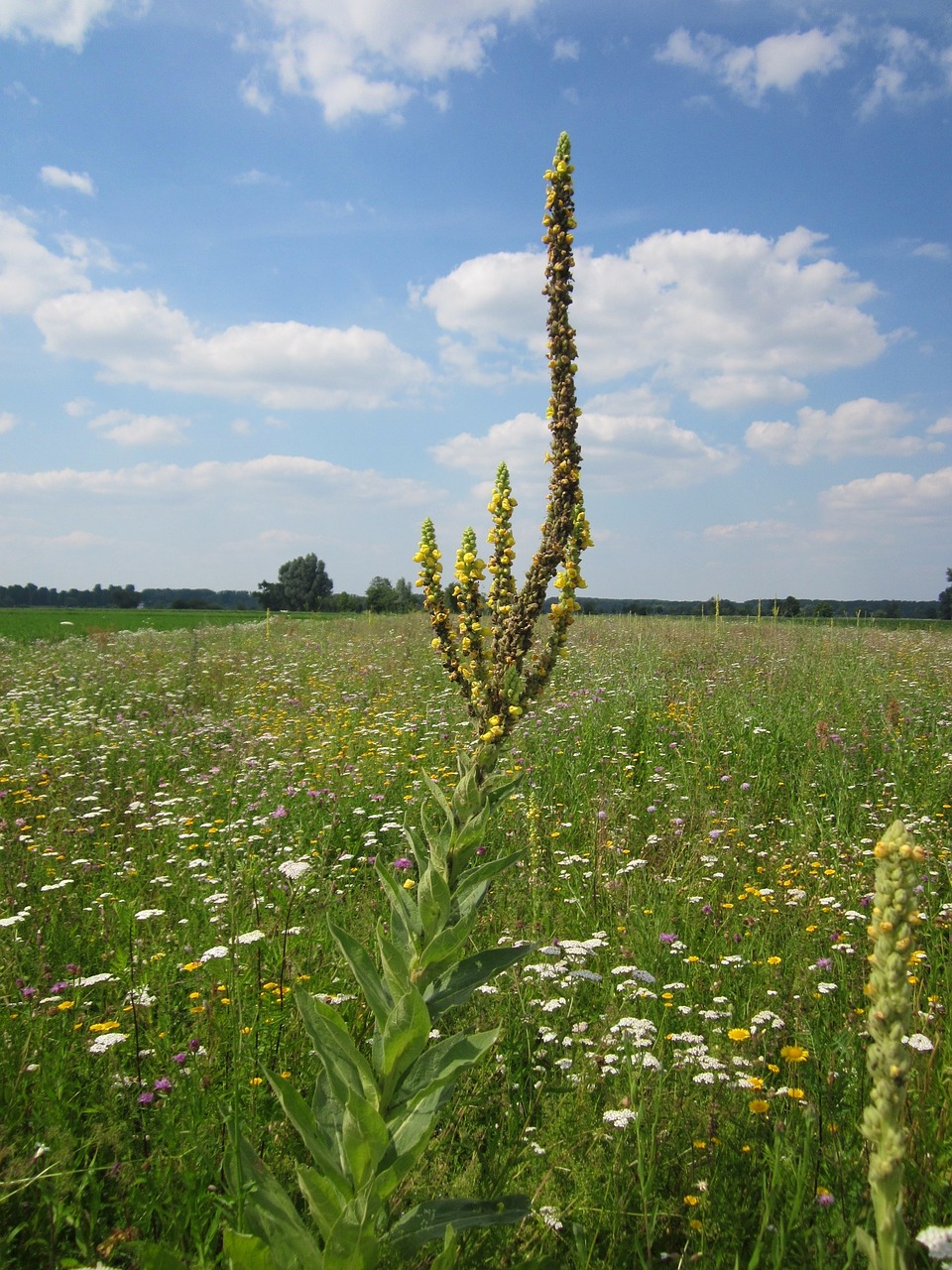
Denseflower mullein (scientifically known as Verbascum densiflorum or Verbascum thapsiforme) is a biennial plant — in the first year, only a basal rosette of leaves grows, and in the second year, it develops a tall, hairy stem up to 2 meters high. Because of its upright stem, it has earned the folk name ‘king’s candle’.
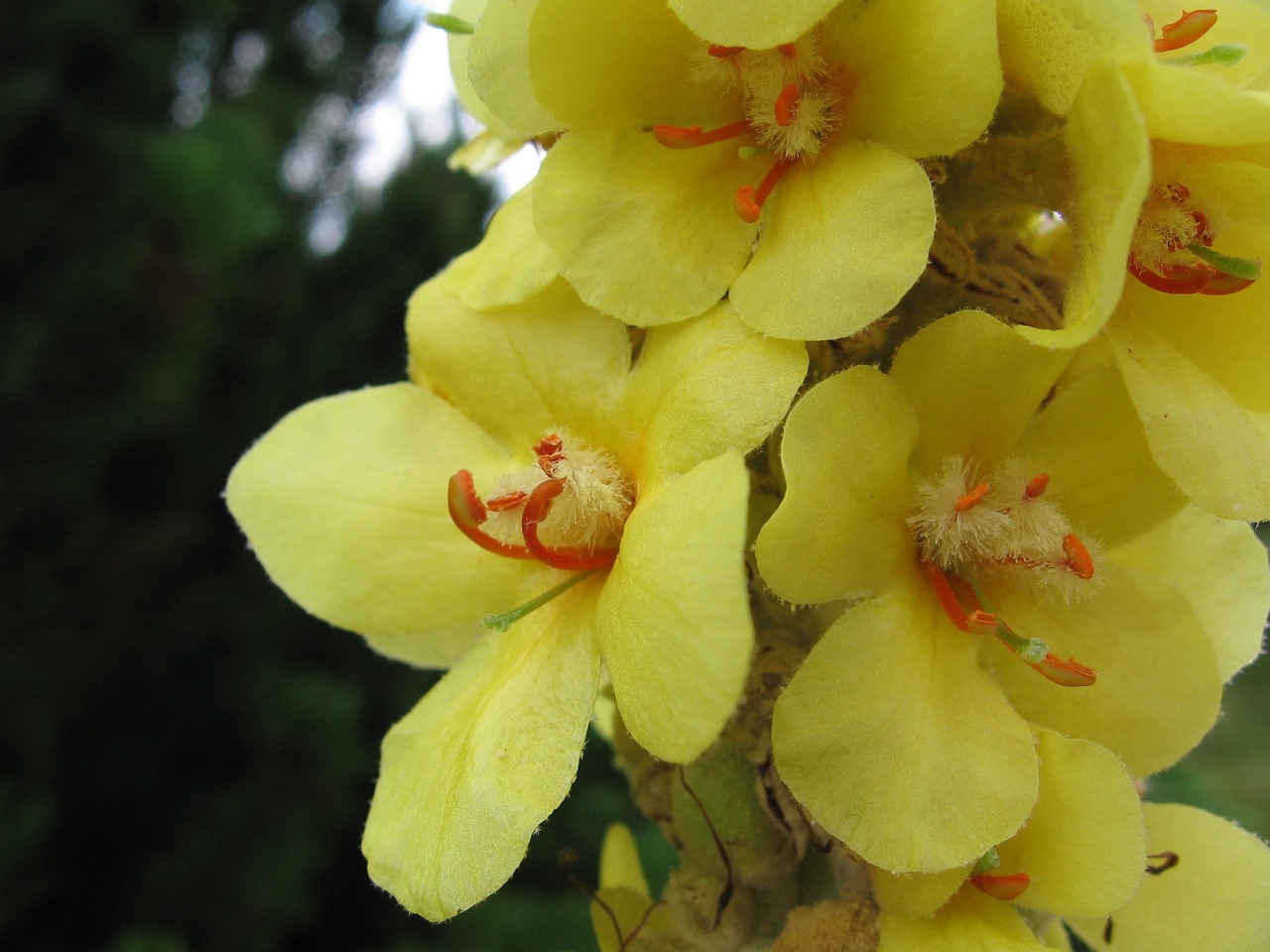
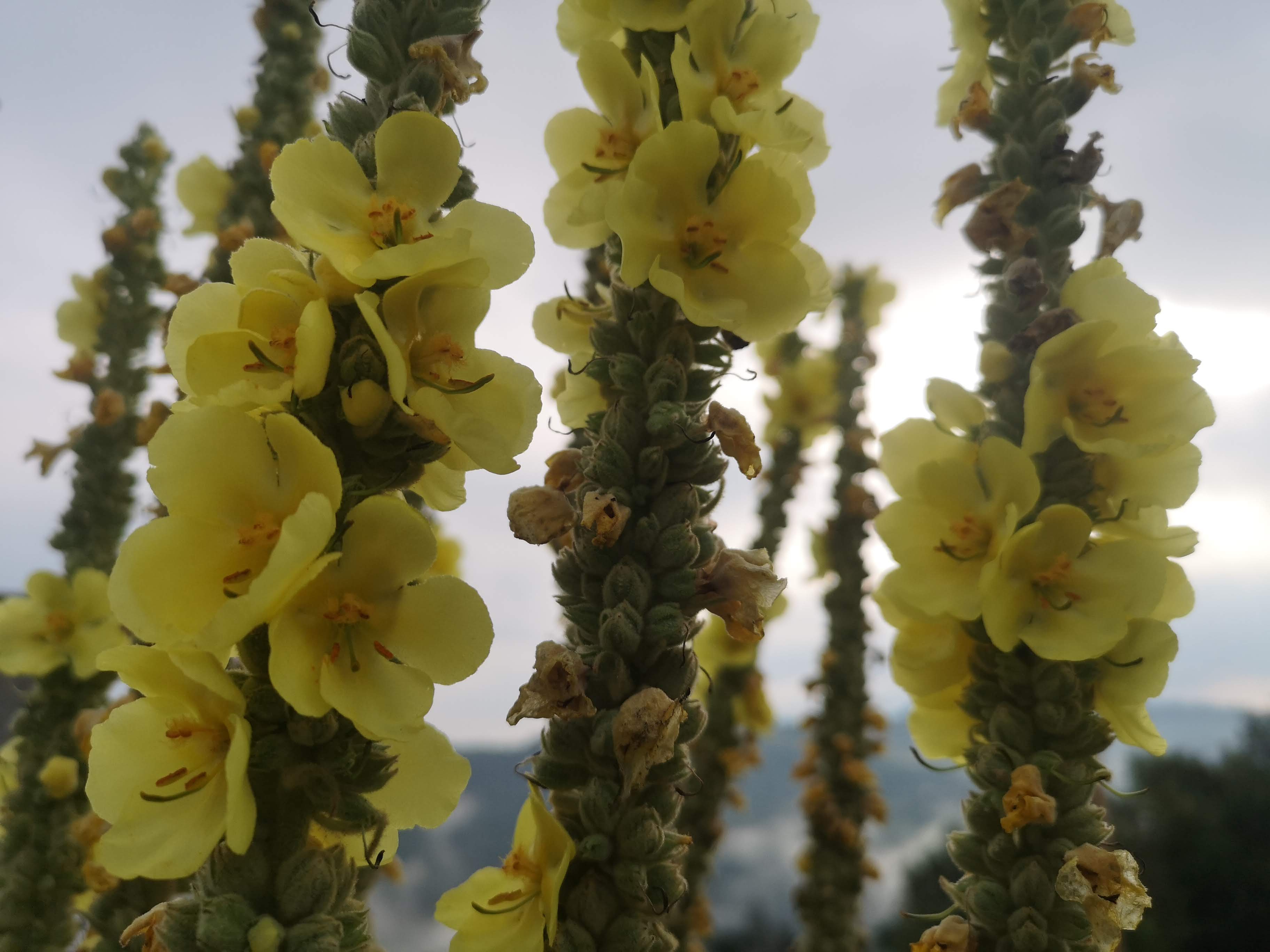
The stem of denseflower mullein bears small, yellow flowers arranged in spike-like inflorescences, which are rich in nectar for bees. The flowers have reddish, woolly stamens in the center. Mullein leaves are arranged alternately, with serrated edges and a felt-like texture due to their fine, soft hairs.
Several mullein species are used medicinally, such as orange mullein (Verbascum phlomoides) and great mullein (Verbascum thapsus). In meadows, other relatives of denseflower mullein can also be found — black mullein (Verbascum nigrum), Verbascum austriacum, and Verbascum alpinum.
Where Denseflower Mullein Grows?
Denseflower mullein or Verbascum densiflorum naturally thrives in sunny, dry habitats, such as embankments, clearings, roadsides, railway slopes, and tracks.
It is often cultivated in home gardens and herb beds due to its medicinal properties. Cultivation is easy since the plant often self-seeds if allowed to flower and drop seeds. As a biennial, it forms only a basal rosette in the first year and in the second grows a tall flowering stem — provided it is not removed in between.
Denseflower mullein (Verbascum densiflorum) is native to southern and central Europe, where it grows naturally in dry, sunny, open habitats. It is common in warmer lowland areas and often appears as a pioneer plant on poor soils.
Besides its native range in Southern and Central Europe, Denseflower mullein (Verbascum densiflorum) also occurs elsewhere in the world as a cultivated or occasionally naturalized plant. Due to its medicinal properties and tolerance of dry soils, it was intentionally introduced in North America, where it has become naturalized in some areas. It is also grown in parts of Asia, North Africa, and Australia, mainly in herb gardens, botanical collections, and among proponents of natural medicine. The plant thrives in sunny locations and poor soils, which makes it popular in environments where other medicinal plants struggle to grow.
Which parts of the Denseflower Mullein to pick?
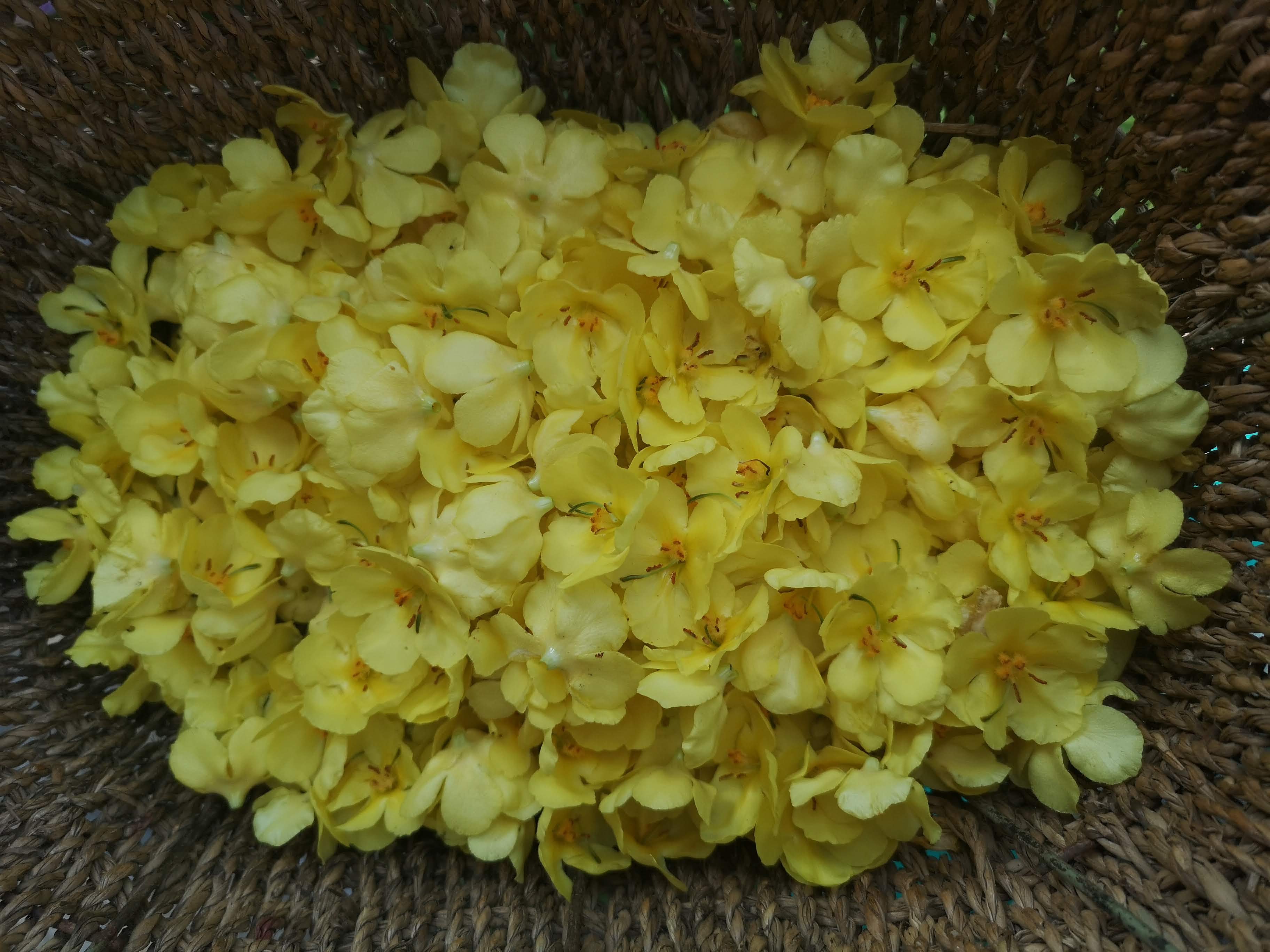
For medicinal use, the flowers of mullein are most often collected, and leaves and roots less frequently.
When to harvest Verbascum densiflorum?
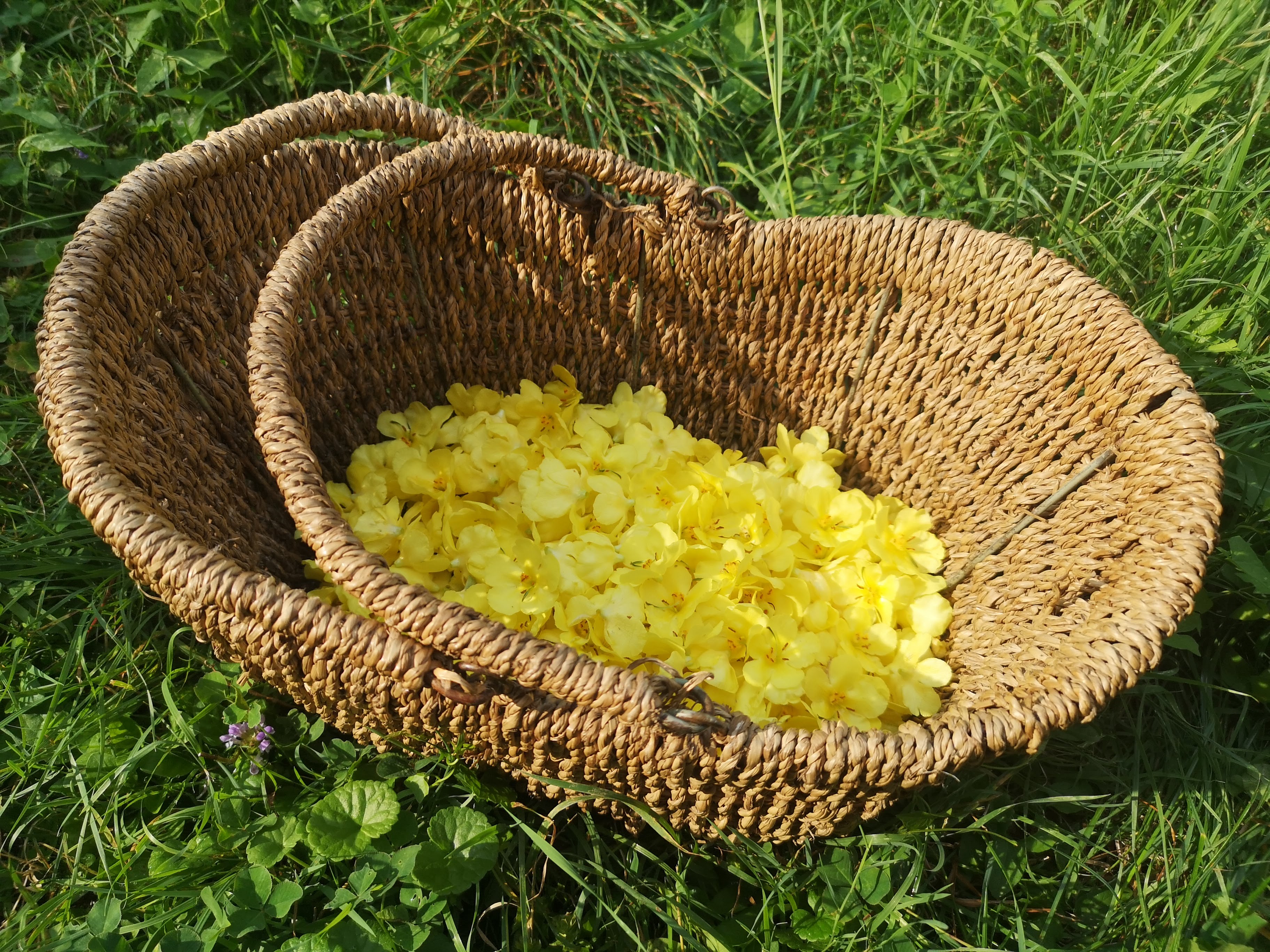
Denseflower mullein flowers are collected from June to September in the northern hemisphere, and from December to March in the southern hemisphere. The best time for harvesting is early morning when the flowers are fully open, and the weather is dry and dew-free.
Mullein flowers fade quickly — often within hours — so it is essential to pick them regularly; otherwise, they become unsuitable for drying or later use.
Mullein leaves are collected when fresh and healthy, preferably while still in the form of a basal rosette. The best time for harvesting is in autumn of the first year or spring of the second year, before the stem begins to form. When harvesting in the wild, only a few leaves should be taken from each plant, leaving enough for continued growth.
Verbascum densiflorum roots are collected in autumn of the first year or early spring of the second year, before the flowering stem develops. At that stage, the roots still contain stored nutrients and active compounds, which the plant later uses for the formation of its stem and flowers. During the transition to flowering, carbohydrates and metabolites are transferred from the roots to the above-ground parts, thereby reducing their concentration in the roots. To harvest, gently loosen the soil and carefully pull the roots. Shake off excess soil, remove damaged parts, wash thoroughly, and prepare for drying.
Medicinal Properties
Mullein flowers contain many active compounds, the most important being mucilage, saponins, flavonoids, and iridoids. While denseflower and orange mullein contain more mucilage, great mullein is richer in saponins.
Scientific research using highly sensitive methods has confirmed the presence of flavonoid aglycones, flavonoid glycosides, and phenylethanoids. Two major compounds have been identified in denseflower mullein: the phenylethanoid glycoside verbascoside and the flavonoid glycoside luteolin 7-glucoside. Both show strong antioxidant effects, protecting cells from free radicals, as well as anti-inflammatory activity by reducing inflammatory responses in the body. Their antimicrobial effects inhibit the growth of bacteria and fungi.
Luteolin 7-glucoside is also believed to have a calming effect on the nervous system, further adding to the medicinal value of mullein flowers.
Denseflower mullein is traditionally used to relieve respiratory ailments and colds. It helps break down and expel mucus, eases coughing, and soothes throat irritation, hoarseness, bronchitis, and asthma symptoms.
Antibacterial tests have confirmed that denseflower mullein effectively inhibits the growth of bacteria associated with respiratory infections. Water extracts (infusions) showed the strongest activity in these tests.
Most uses of Verbascum densiflorum are based on folk medicine, which associates mullein with relief of inflammatory conditions, such as asthma, skin disorders, and rheumatic diseases. Polyphenolic components — flavones and flavanols — play an important role in this.
An olive oil extract of mullein is used in folk medicine to treat ear inflammation, especially in children.
Among the uses related to the circulatory system, the use of mullein for relieving hemorrhoid problems is described in the greatest detail.
How to Use Denseflower Mullein?
Tea or infusion made from the flowers of denseflower mullein is used to treat respiratory and cold-related ailments, as well as conditions caused by inflammatory processes. Although the flowers are most commonly used, mullein leaves can also be used to prepare the infusion. Since the leaves have fine hairs that may irritate the throat when drinking the tea, it is recommended to strain the tea through a coffee filter before consumption.
Mullein syrup is used for colds accompanied by throat irritation, hoarseness, and cough. It is suitable for children, as its sweetness makes it pleasant to take.
It can be prepared at home similarly to dandelion flower syrup or spruce tip syrup. In a glass jar, alternate layers of mullein flowers and sugar, starting and ending with sugar. Leave the jar in a warm, sunny place for a few weeks until the sugar has disolved. Although leaving a jar in the dark would preserve more active compounds, the sugar often does not dissolve properly in this environment, so sunlight can be used as an alternative. Honey may also be used as a substitute for sugar; in this case, store the jar in a dark place to preserve the honey’s quality and medicinal compounds. After a few weeks, strain out the flowers.
Sitz bath with an infusion of mullein flowers or leaves is a traditional remedy for relieving hemorrhoid problems. To prepare the infusion, pour 1–2 liters of boiling water over about 100 g of dried flowers or leaves and let it steep for 15–20 minutes. Strain the mullein infusion and add it to a warm bath.
Mullein in olive oil is used topically to relieve issues such as skin inflammations, wounds, and ear ailments.
Tincture made from denseflower mullein is used for similar purposes as the tea and can be taken 2–3 times daily. To prepare the tincture, you can use the flowers, as well as the leaves and roots. If using mullein leaves, ensure that you strain the tincture thoroughly (preferably through a coffee filter), as the leaves contain fine hairs that may irritate the throat. Prepare the mullein tincture according to the recipe on our blog.
How to Prepare Denseflower Mullein Tea or Infusion
To prepare mullein tea, pour 1 cup of boiling water over 2 to 3 teaspoons of dried mullein flowers. Let the covered infusion steep for 5–10 minutes, then strain.
What should you pay attention to?
No adverse effects have been reported in the literature. There are also no known interactions with other medicines.
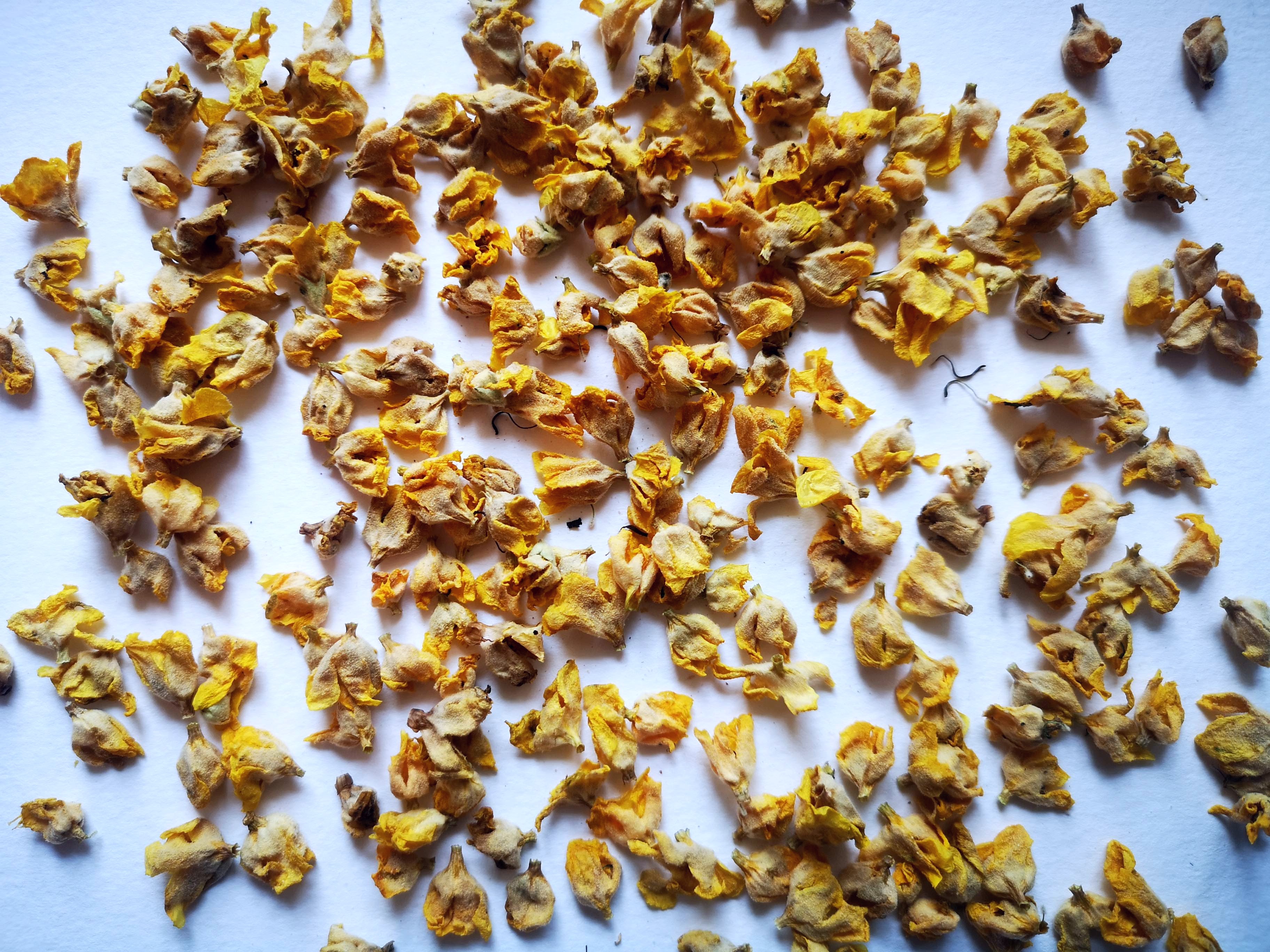
Mullein flowers must be dried quickly and carefully — even using artificial heat — to retain their color and prevent browning, which indicates loss of active compounds.
It is important to store mullein flowers in sealed containers in a dry place, preferably glass, because once dried, they are very hygroscopic, meaning they quickly absorb moisture from the air.
Due to the hairy stamens in the flowers, the tea may slightly irritate the throat, so it is best filtered through a fine cloth or paper filter.
Interesting Facts about Denseflower Mullein
The long stems of mullein were once coated with resin and used as a torch. This created a large candle, which is where the folk name “king’s candle” originates.
Denseflower mullein was once planted in gardens because people believed it protected homes from lightning.
In some European countries, on August 15th, when the Feast of the Assumption of Mary is celebrated, herbal bouquets are made that also include mullein. The plant holds a special significance, as it is believed to be dedicated to Mary herself. Such bouquets are hung by the householders in the house or barn, as they are thought to protect the home and livestock from lightning and disease.